Sep 7, 2011
Therefore you need to have the confidence that the funds moving on budget in fact will be used for its intended purpose and not be siphoned for governmental corruption funds.
The Public Record
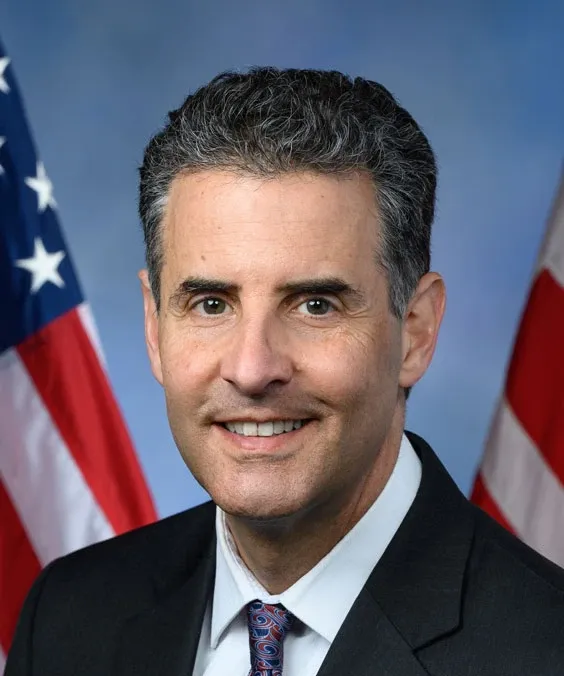
Ben Cardin is a United States Senator from Maryland, serving since January 4, 2007. A member of the Democratic Party, he has focused on issues such as healthcare, education, and civil rights throughout his political career. Prior to his tenure in the Senate, Cardin served in the U.S. House of Representatives from January 3, 1987, to January 3, 2007, where he was known for his work on tax policy and social security reform.
Therefore you need to have the confidence that the funds moving on budget in fact will be used for its intended purpose and not be siphoned for governmental corruption funds.
We must emphasize the importance of assistance as a tool in promoting the stability of that country.
Violence against women and girls is often severe in situations of crisis and natural disasters.
We must continue to invest money in programs abroad that support infrastructure development such as roads and irrigation systems.
Citizen involvement in the governmental process is a hallmark of our democracy and the C&O Canal National Historical Park Advisory Commission Act exemplifies the goal of ensuring the public's role in government decision making.
We also are monitoring very closely the availability of credit through the mechanisms that were made available through the Small Business Jobs bill.
We are very interested in how the tools that we have already made available to deal with bundling--and we know the problems are there.
This is a hearing of the Senate Committee on Small Business and Entrepreneurship.
Well, thank you. Again, let me thank this panel and thank all of those who were responsible for helping to put on this hearing here in Laurel.
I appreciate your suggestions and the points that you are highlighting are certainly ones that the Small Business Committee has made our top priority.
Thank you. Dr. Iheagwara, you are to be congratulated, first, for being selected by DBED as Maryland Homeland Security Company of the Year.
I think it is very encouraging, and, of course, there is a great advantage to us here in Maryland.
I found your presentation concerning the demographics of your student body as it relates to cybersecurity programs to be very interesting.
Well, once again, let me thank all three of you for your testimony and your contribution to this hearing.
Both you and Senator Mikulski have alluded to the threat in this area of cybersecurity.
I think it is crucially important for various counties, agencies, Federal, State, what have you, to work in close collaboration with each other.
Small businesses are leading the way in innovation in the areas of homeland, national, and cybersecurity areas.
It might be good for also Congress to consider ways of granting low-interest loans to support small business innovations.
I think one of my first recommendations is that Congress probably should consider mandating a certain percentage of all Federal contracts to go to small businesses.
Quite frankly, it is more enjoyable being here with you all, but that will require me to go back to Washington this evening.
Politicians like Ben Cardin