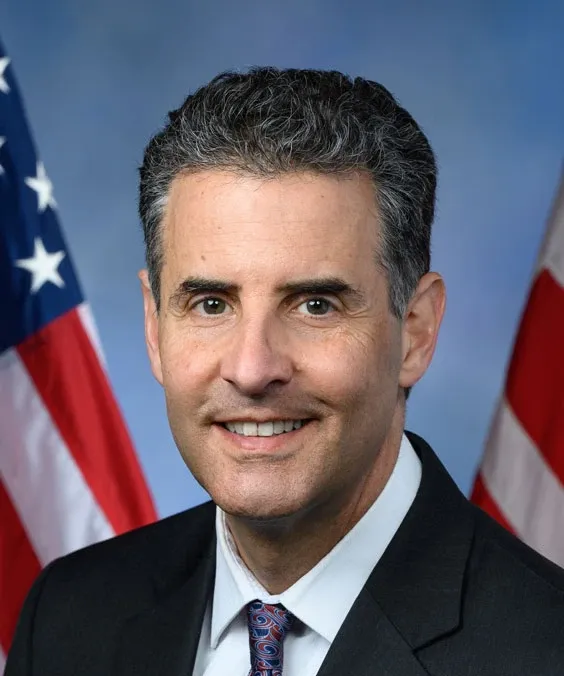
Ben Cardin
The Public Record
Ben Cardin is a United States Senator from Maryland, serving since January 4, 2007. A member of the Democratic Party, he has focused on issues such as healthcare, education, and civil rights throughout his political career. Prior to his tenure in the Senate, Cardin served in the U.S. House of Representatives from January 3, 1987, to January 3, 2007, where he was known for his work on tax policy and social security reform.
Oct 17, 2011
We have invested a lot of resources into protecting the ocean front at Ocean City, Maryland.
Oct 17, 2011
I think it is an extremely important hearing, and I want to hear from our colleagues who have experienced first-hand the incredible challenge we have had on flooding this year.
Oct 17, 2011
We agree with you, and our challenges on the East Coast are a little bit different.
Oct 17, 2011
Our current systems and programs and policies and practices are inadequate. We need to recognize that.
Oct 17, 2011
Clearly, we have challenges in trying to manage the demand for commerce as well as to protect life and property.
Oct 17, 2011
Let me just urge us to perhaps rethink this based upon the experience that we had on the bank participation program.
Oct 17, 2011
We are all frustrated that the $30 billion program did not generate more interest, and I think Senator Levin's point about the Republican delay is very much on point.
Oct 3, 2011
Farming is, someone has to have a real motivation to be a farmer today. It is not easy.
Oct 3, 2011
I think we all understand the dangers of nutrient pollution and the need for aggressive action.
Oct 3, 2011
This is not just about public health issues, it really has a direct economic impact.
Oct 3, 2011
I think we all agree on local flexibility, as long as they meet the standards.
Oct 3, 2011
The Bush administration's EPA and the EPA Inspector General... have highlighted the benefits of using a numeric nutrient criteria.
Oct 3, 2011
We are spending $450 million to take those solids and to build the largest thermal hydrology project in the world.
Oct 3, 2011
It is my understanding that there has been a lot of discussion about the numeric nutrient standards.
Oct 3, 2011
It is clearly a win-win situation. I would hope that we could move, we think there is some authority within the agency to do this today.
Oct 3, 2011
American agriculture is very varied, and that diversity is a tremendous strength that should be preserved.
Politicians like Ben Cardin