Mar 9, 2015
Your status is much more determinative of your income tax liability than it would be your sales tax liability.
The Public Record
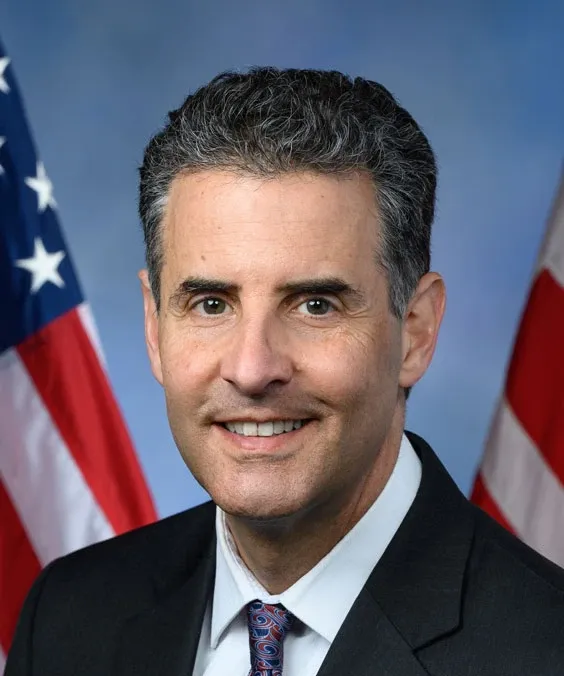
Ben Cardin is a United States Senator from Maryland, serving since January 4, 2007. A member of the Democratic Party, he has focused on issues such as healthcare, education, and civil rights throughout his political career. Prior to his tenure in the Senate, Cardin served in the U.S. House of Representatives from January 3, 1987, to January 3, 2007, where he was known for his work on tax policy and social security reform.
Your status is much more determinative of your income tax liability than it would be your sales tax liability.
The experience taxpayers go through every spring does not need to be such a horrendous nightmare.
Some people say that it's impossible for tax reform to make the tax code simpler and fairer to everybody at the same time. But I don't buy it.
The bill that I filed provides credits for low-income families based upon size and income.
Since Putin took power in 2000, one Western administration after another declined to confront him on human rights.
Boris was an outspoken critic of a police state that has no tolerance for critics.
Only in the U.S. Senate would getting a majority vote, 50 some votes, in favor of a proposal be characterized as soundly defeated.
We need modern drinking water for capacity but if we don't deal with wastewater treatment, we are going to have problems with clean water in our streams.
Thank you, Mr. Chairman. I appreciate it very much and appreciate this hearing.
We are going to have to supplement the infrastructure financing by creative methods, whether it is WIFIA, tax credits or public-private partnerships.
Drinking water needs more, but you shouldn't be cutting the State Revolving Fund.
I think the emphasis on climate change as it relates to U.S. leadership that will have, I think, major dividends in global action which help the people of our Country, is exactly where we need to be.
One could define fairness as the impact it has on middle-income families, and I agree with that.
We then use the subtraction method, which has been a very effective way of collecting taxes in other countries.
Would you agree that our success in Iraq in dealing with ISIL very much depends upon the Sunni tribes taking a leadership role in stopping the advancement of ISIL?
It is clear that there may well be a need for a continued military U.S. presence beyond that 3 years.
And what is your confidence in the Government of Iraq and Baghdad and its ability to work with the Sunni tribal leaders to give them that type confidence that their centralized government represents their interests and protects their…
Here we are talking about a threat that was identified last year that we are currently combating, recognizing that the campaign or use of force may well go beyond 3 years.
Politicians like Ben Cardin