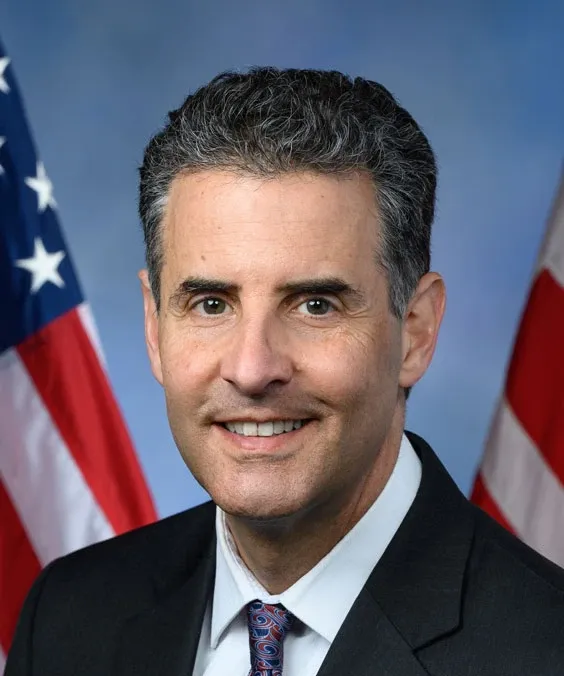
Ben Cardin
The Public Record
Ben Cardin is a United States Senator from Maryland, serving since January 4, 2007. A member of the Democratic Party, he has focused on issues such as healthcare, education, and civil rights throughout his political career. Prior to his tenure in the Senate, Cardin served in the U.S. House of Representatives from January 3, 1987, to January 3, 2007, where he was known for his work on tax policy and social security reform.
Apr 14, 2015
It is critically important that we are working with the international community. We cannot do this alone.
Apr 14, 2015
That is not consistent with the information I have received, so I would appreciate if you could clarify that in specifics.
Apr 14, 2015
I think we all understand that extremists get their strength from people who are desperate and have little hope.
Mar 18, 2015
There should not be much controversy in requiring standing for someone to challenge.
Mar 18, 2015
I think that is criminal, and I think that is an abuse that really needs to be corrected.
Mar 18, 2015
I cannot imagine the fear that a small high-tech firm must go through if they receive a letter where they do not know really the source of who is behind it, who threatens their existence, challenging their legitimacy to the work that they…
Mar 18, 2015
We are trying to balance two different thoughts on how the patent system is working.
Mar 18, 2015
Only this Committee focuses on the small business community, and it is very appropriate that we have a hearing dealing with the impact of these policies as they affect small business.
Mar 17, 2015
I can't understand why there would be any objection to allowing the States to move forward.
Mar 17, 2015
I want to thank Senator Boxer for her passion on this issue and recognizing that we can do better and continuing to raise those issues.
Mar 17, 2015
I thank you for holding this hearing to allow us all to reflect once again on how fortunate we were to serve in the U.S. Senate with Frank Lautenberg.
Mar 17, 2015
I hope this means that we may be able to center in some areas that can really bring us together.
Mar 17, 2015
The current TSCA law does not work. We have a responsibility to enact a law that will work.
Mar 16, 2015
We think this is one of the categories. As you point out, what it basically does is leverage private sector involvement to protect our fish habitats.
Mar 16, 2015
I hope that we will have a chance, Mr. Chairman, as we talk about putting together a bill, looking at those issues that truly are not controversial but give us a chance to make significant progress to protect habitats.
Mar 16, 2015
Of course, our objective is to look at areas that do not cause additional concerns on the support.
Mar 15, 2015
We would like to take the best practices and share that so that we can get more activity and get more opportunity for small businesses and minority businesses to be able to take advantage of the opportunities of this country.
Mar 15, 2015
If someone sells his or her business to a minority or a woman, one, the profits they make off of that sale, they would not have to pay state taxes.
Mar 15, 2015
It is the reason why the SBA administrator is so much in favor of Ex-Im Bank reauthorization.
Politicians like Ben Cardin