Jul 23, 2014
So maybe we ought to be talking about making work pay a little bit better and maybe increase the minimum wage.
The Public Record
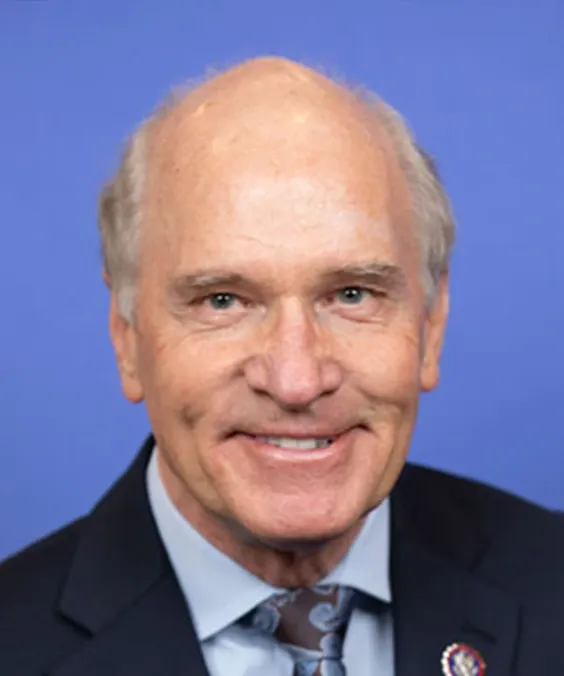
Jim McGovern is a Democratic member of the United States House of Representatives, representing Massachusetts's 2nd congressional district since 1997. He has been a strong advocate for issues such as hunger, human rights, and healthcare. Throughout his tenure, McGovern has focused on policies aimed at reducing food insecurity and promoting social justice. He has also been involved in various legislative efforts to improve access to healthcare for all Americans.
So maybe we ought to be talking about making work pay a little bit better and maybe increase the minimum wage.
I mean, we live in a country where there are 50 million people who are hungry or food insecure.
SNAP also improves the long-term outcomes and self-sufficiency for individuals who received its benefits as children.
SNAP is designed to provide a basic nutrition benefit to low-income families, seniors, and people with disabilities who cannot afford an adequate diet.
If that is the case in New Mexico someone ought to be fired, because that is not the case anyplace else.
I want to publicly thank the governors, and praise these governors who have taken action for preventing these cuts from taking effect.
That means in the Heat and Eat States a family of three could see an average of $120 per month cut in their SNAP benefit, which is just unconscionable.
We should get serious about increasing the minimum wage so that work in this country actually pays.
And the sad reality is that they are working at wages that are so low that they still qualify for this benefit.
The voices of those who are most desperate, who are most vulnerable, the voices of the poor, weren't heard adequately.
Lloyd's takes its commitments to its policyholders extremely seriously, and whether it is after a natural catastrophe event or after a terrorism event, we will continue to provide as much capacity as we are able to.
The insurance industry will deal with the insured losses as it has always done--
But in the short term, it is important that the Administration make it clear that a cut of $16.5 billion is unacceptable.
How would these cuts impact the ability of low-income rural families to purchase food?
I think we need the Administration to draw a line in the sand that enough is enough.
Politicians like Jim McGovern