Mar 16, 2022
While proxy voting wasn't created for a number of the situations we talked about here today, it has actually helped increase voting participation in the House, believe it or not.
The Public Record
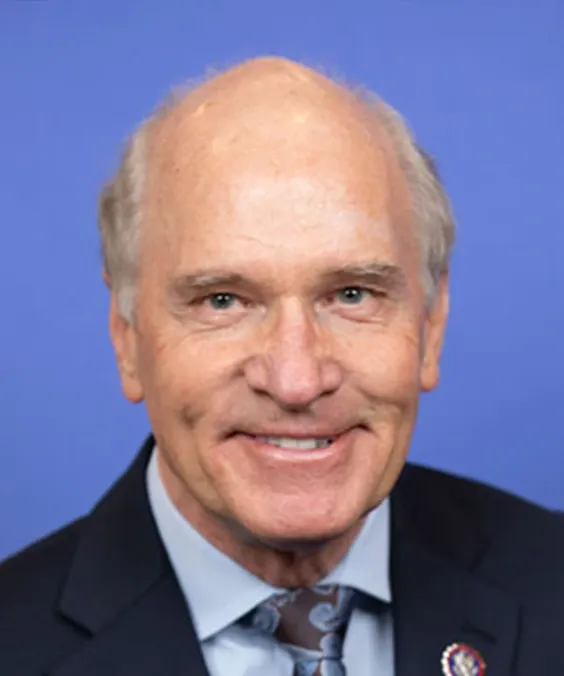
Jim McGovern is a Democratic member of the United States House of Representatives, representing Massachusetts's 2nd congressional district since 1997. He has been a strong advocate for issues such as hunger, human rights, and healthcare. Throughout his tenure, McGovern has focused on policies aimed at reducing food insecurity and promoting social justice. He has also been involved in various legislative efforts to improve access to healthcare for all Americans.
While proxy voting wasn't created for a number of the situations we talked about here today, it has actually helped increase voting participation in the House, believe it or not.
Should we have said to them, Coloradans (sic), by act of happenstance, you will not be represented. I think not.
I suggest to you that this comment about proxy voting only presumes the outcome would be different if, in fact, we precluded somebody from voting if they were sick if, per chance, they were absent.
Other measures such as the greater adoption of remote working tools ought to remain in place, in my opinion, Mr. Chairman, because we have seen how they help make the House more accountable, transparent, and efficient.
We have adapted by ending the practice of voting by group and reducing voting times on the floor.
I really have to take issue with the fact that somehow this is the least productive Congress.
They see value in that. I do too. Personally, I think there is something to be said for that.
I mean--and I guess the purpose of this is that--hopefully, we are moving beyond the pandemic.
As much as I disagree with you on most things, I still think that you should have the right, especially during this pandemic, to be able to represent your constituents.
I believe that it is important for us to discuss how proxy voting and remote committee proceedings have worked over the past 22 months.
I am proud that the Rules Committee got to work, consulting with experts, constitutional scholars, and our colleagues on both sides of the aisle.
Thank you, Mr. Chairman, for holding this hearing entitled the Future of Women in China, #MeToo, Censorship and Gender Inequality.
We are very grateful for the Uyghur forced labor bill that became law also in December.
We are very grateful for the Resolution condemning the genocide that was passed in December 2021.
The U.S. should do much more to provide a refuge for those fleeing persecution in China
That is up to the woman; not up to the government to decide how a woman deals with her life.
I guess what I'm trying to say is kind of reemphasizing the importance that--when we talk about opposing China's heavy-handed approach in dealing with women...
You know, we're all against China's human rights abuses, against its heavy-handed intrusion into the lives and bodies of women.
Why in the world would advocating for women's rights be considered a crime against the state?
I am proud that this is the Commission's first-ever hearing specifically on the status of women.
He owes it to the country to go before the January 6 Committee and answer some questions.
Politicians like Jim McGovern