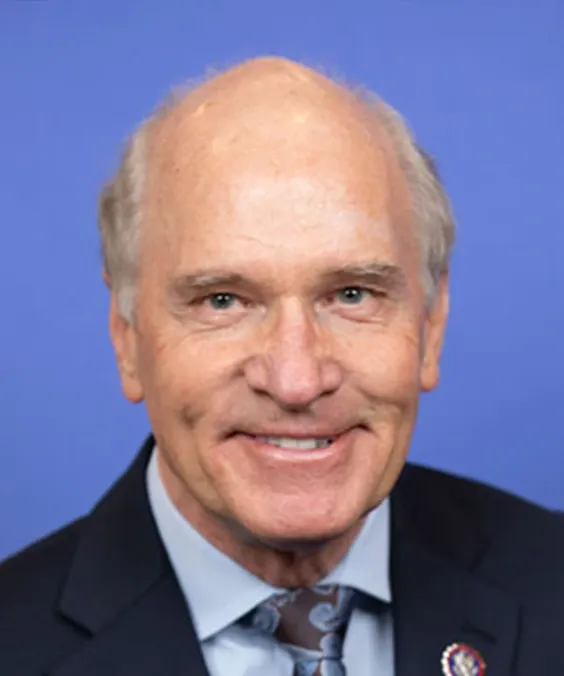
Elizabeth Warren
The Public Record
Elizabeth Ann Warren is an American attorney, academic, and politician serving as the senior United States senator from Massachusetts since 2013. A member of the Democratic Party, she has been a prominent advocate for consumer protection, economic equality, and corporate regulation. Warren gained national recognition for her work in establishing the Consumer Financial Protection Bureau and has focused on issues such as student debt relief and healthcare reform during her tenure in the Senate.
Sep 23, 2009
We have argued for repeating the stress tests and extending them past the 19 largest financial institutions.
Sep 23, 2009
We have pushed for a long time for more transparency, more accountability, more clarity on goals.
Sep 23, 2009
I am pushing to say we could do more, and as a leader in the TARP program that has made this $50 billion commitment, I am asking you to do more.
Sep 23, 2009
Treasury's failure to adopt these recommendations in my view has been one of the great failings of the past year.
Sep 23, 2009
From the outset, it was obvious that a system so large would need very careful oversight.
Sep 23, 2009
Taxpayer dollars must never be used again to prop up failing companies that are then allowed to profit at taxpayer expense.
Sep 23, 2009
The fact that a lender can throw a family out of their home is a necessary part of a system of lending, but it is also an act of emotional violence and economic destruction.
Sep 23, 2009
The continuously escalating mortgage foreclosure crisis threatens to overwhelm the entire effort to stabilize our financial system in the interest of broader economic recovery.
Sep 23, 2009
Public policy should be about minimizing foreclosures for the same reasons it should be about minimizing child abuse or protecting the public health or educating our children.
Sep 17, 2009
So do we have, in effect--the question I am asking--do we have a pre-guarantee out there?
Sep 17, 2009
Is there anyone in America who does not believe that the American Government will rush back in and support the money markets?
Sep 9, 2009
AIG had people holding credit default swaps, and they took no haircut at all.
Sep 9, 2009
Well, maybe I should ask it with more specificity. Was Treasury aware of who the counterparties were that were going to receive payment in full on the credit default swaps when $170 billion went to AIG?
Sep 9, 2009
So AIG has received about $70 billion in TARP money, about $100 billion in loans from the Fed. Do you know where the money went?
Sep 9, 2009
Taxpayers question what TARP accomplished when, on an individual level, their financial circumstances seem more precarious than ever.
Sep 9, 2009
I just want to know, are we more at risk on the question of concentration than we were a year ago?
Sep 9, 2009
In granting Treasury such enormous discretion with TARP money, Congress expected an equal measure of transparency and accountability.
Sep 9, 2009
They ended up with money from the Federal Government 100 cents on the dollar, and I am trying to understand why those two are different from each other.
Sep 9, 2009
I am going to have to stop you there, Congressman. I am going to be disciplined about time.
Jul 26, 2009
The creditors of Chrysler and GM received more than they would have received had the Government not stepped in.
Jul 26, 2009
The cooperation and support of the UAW is essential to the ability of the reorganized companies to succeed.
Politicians like Elizabeth Warren