Jan 2, 2007
Oh, I think this is much more about her laying out a path forward, you know, the various, you know, the pros and cons of what she's trying to do.
The Public Record
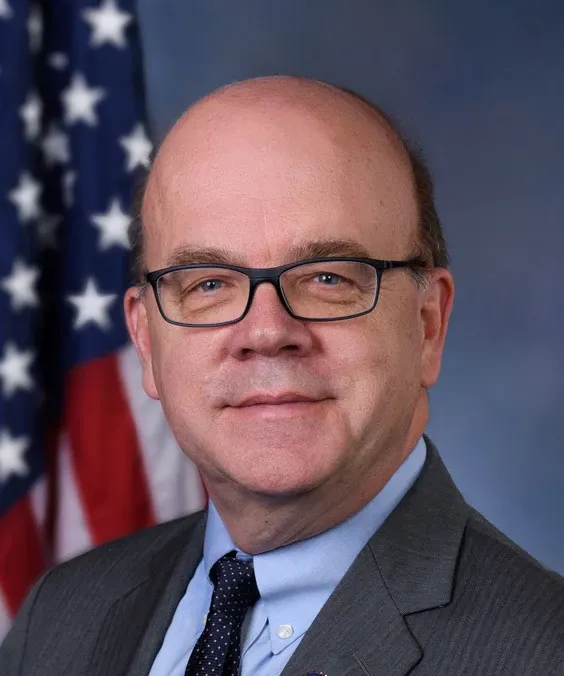
David Gergen was an American political commentator and advisor who served in the administrations of four U.S. presidents, providing insights and guidance on various political matters. Born on May 9, 1942, in Massachusetts, Gergen held significant roles in both Republican and Democratic administrations, showcasing his ability to navigate the political landscape across party lines. He was also a professor of public service at Harvard University, where he influenced a new generation of leaders. In addition to his academic work, Gergen was a senior political analyst for CNN, contributing to public discourse on current events until his passing on July 10, 2025.
Oh, I think this is much more about her laying out a path forward, you know, the various, you know, the pros and cons of what she's trying to do.
To have this survey come out now pretty reliable survey of career military people, showing support for the president down to 35 percent. It means he's sort of losing all fronts.
Symbolically very, very important. It's a grim beginning to the New Year, a faithful year for this president and for this war. And I think it makes it much tougher as the president faces his vow to come to the country and try and persuade…
Well constitutionally he does have the power as Commander-in-Chief to keep the troops there. But if only a dozen or so Republican senators... actually support a troop surge and Democrats almost uniformly against it... that means his…
I think he's boxed himself in now over this process. It's been a long drawn out process, too long. He's lost control of the politics of this process and decision making.
Absolutely. President Ford has said several times since then, Anderson, that he was being consumed as president by -- he once explained to a group of students that I was with that -- he said, look, 80 percent of my time was being devoted…
I think it's the only way, Anderson, he can persuade the military to do what he looks like he wants to do.
the Democrats need to show some sense of what they really believe that they want to show that there are constructive opposition to that.
Clearly they plan to do a lot of back seat driving on Iraq. But they're going to let the president keep his hand on the wheel. And you know, they don't have much confidence in his steering.
Politicians like David Gergen