Oct 29, 2017
There was a clear desire on the part of people in the Trump campaign to get the dirt, whatever it was, whether it was e-mails or whatever else they might get from the Russians.
The Public Record
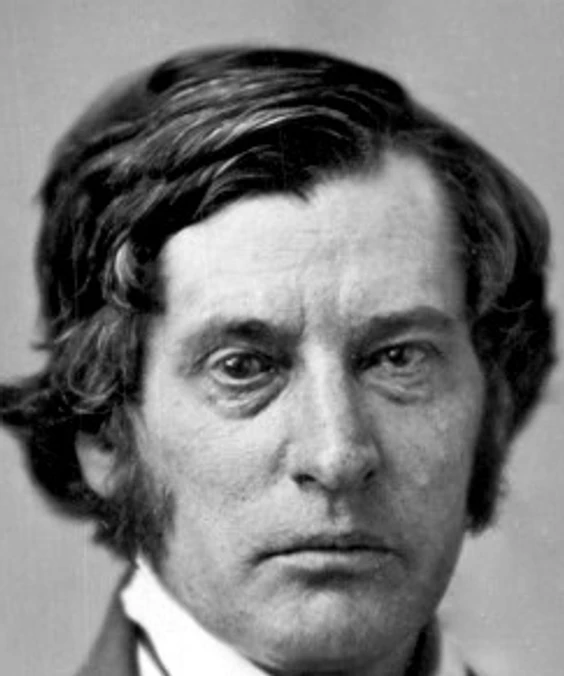
David Gergen was an American political commentator and advisor who served in the administrations of four U.S. presidents, providing insights and guidance on various political matters. Born on May 9, 1942, in Massachusetts, Gergen held significant roles in both Republican and Democratic administrations, showcasing his ability to navigate the political landscape across party lines. He was also a professor of public service at Harvard University, where he influenced a new generation of leaders. In addition to his academic work, Gergen was a senior political analyst for CNN, contributing to public discourse on current events until his passing on July 10, 2025.
There was a clear desire on the part of people in the Trump campaign to get the dirt, whatever it was, whether it was e-mails or whatever else they might get from the Russians.
I would think that the wise score would be to follow Lindsay Graham in saying the President should stay in his lane. You know, this is too serious. And be respectful of the process and let the process play out.
We can use the word blessing, but he wasn't -- the charges weren't rejected by Rosenstein.
If you stay quiet and they eventually charge you with something or they eventually find you guilty of something, I will pardon you at that point.
I think we're going to be in suspense over the next couple of days until we know exactly what the charges are.
On the other hand, if he comes in with something about collusion, that's much more serious. And if he finds something, frankly, about money laundering by the Trump team, it's and -- put aside Manafort.
We know he lied to various people along the way. If he lied to a variety of people around the White House, there's a decent chance he lied to the FBI.
Well, Anderson, again, it goes to the nature of the charges. If the charge comes back against Manafort for his personal unrelated to the White House financial transactions in the past, that somehow, you know, violated some federal laws, I…
I want to go back to this, what Chris has been saying because I think he's got it right. It's a question partly, as we discussed all along, about what the indictments are for. But it's very much a question, too, of who the indictments are…
You know, they will treat this as a weak opening move by Mueller. You know, if the first thing he brings in is something that's unrelated to the president, none related to the collusion in Russia charge, you know, that makes it easy for…
If the charges relate to collusion or conspiracy against the United States... that's going to send a shutter through the White House.
We do know that the Mueller investigation, you know, there was some speculation, and the Trump White House was trying to make us believe that there was nothing here.
So I think in that situation, I would assume they will try to discredit Mueller in a variety of ways, they'll find friends to do that.
But I think the fact that we're getting down to 300 pages does give more weight to what most experts -- I had a chance to talk to a Pulitzer Prize Winning Historian here Fredrik Logevall last night.
Absolutely. Absolutely. I'm sure they did. You know, after all they had a lot of access to J. Edgar Hoover's files and they're all sorts of details there both, you know, governmental and salacious.
I think Donald Trump knows a lot more than he's let on. He has access no doubt to these documents that are still hidden or at least that he is been given summaries.
I think we probably will not hear from a lot of other Republicans, Anderson.
It's extremely unusual, so early in the term for former presidents to break ranks.
The two of them have turned against this president is a serious matter, it's a big deal.
Politicians like David Gergen