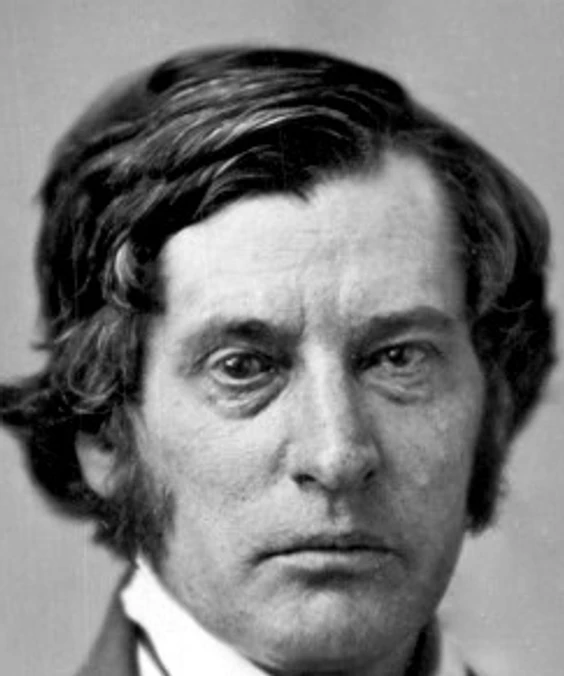
David Gergen
The Public Record
David Gergen was an American political commentator and advisor who served in the administrations of four U.S. presidents, providing insights and guidance on various political matters. Born on May 9, 1942, in Massachusetts, Gergen held significant roles in both Republican and Democratic administrations, showcasing his ability to navigate the political landscape across party lines. He was also a professor of public service at Harvard University, where he influenced a new generation of leaders. In addition to his academic work, Gergen was a senior political analyst for CNN, contributing to public discourse on current events until his passing on July 10, 2025.
May 3, 2006
I do believe that Anderson and the way he gains political power and gains political capital, rebuilds his stock is to be more forceful and bolder on both immigration, where he's got a reasonable position and on energy.
May 3, 2006
I'm afraid that there are a lot of democrats who now believe it's better to have an issue than to have a bill.
May 1, 2006
The best leaders are the ones, historically, who have looked ahead, you know, looked over the horizon.
May 1, 2006
That's what happened when Franklin Roosevelt came in. The country was terribly depressed. And he came in and, with a single speech, his inaugural address, began turning it around.
May 1, 2006
one of the big judgments we're going to make in the upcoming presidential campaign is, are people going to campaign on the future and have real plans, and then get a mandate for change, or are they simply going to campaign by gouging the…
May 1, 2006
It's harder. It's tougher to sustain. It's tougher to put a plan out there that will get support.
May 1, 2006
Well, it is true that, you know, with the coming of what's called -- now called the permanent campaign, and that is, as soon as people get elected, they start running for the office for the next time out.
May 1, 2006
I think it's a natural response to what happened with the shooting, and also now with the gas prices being where they were.
May 1, 2006
that's the kind of rancid politics that I think just turns everybody off, and it does make it hard to plan for the future.
Apr 26, 2006
The polls are showing now is concern over high energy prices is almost -- almost twice as large as the concern over illegal immigration, almost twice as large as civil unrest in Iraq.
Apr 26, 2006
I would think the administration is going to have to be very careful now about its rhetoric on Iran and whether it doesn't want to keep this at a low simmer, not a high boil in terms of the politics of it because this is a difficult…
Apr 26, 2006
Now our security is tied in because you know, Anderson, we're even more dependent on foreign oil today than we were back 30 years ago.
Apr 26, 2006
We've moved in the wrong direction over the last 30 years, not the right direction.
Apr 24, 2006
When you lose your credibility, you know, when you beat up on the media, then, you -- you know, the 26 percent who still believe you're credible, it works with them.
Apr 24, 2006
We're not winning this; we are not losing it; we just don't know who's ahead.
Apr 24, 2006
The fact that he's lost much of his credibility is, I think, the biggest over -- barrier he has to overcome to get back and become an effective president again.
Apr 24, 2006
If people have been here more than five years, then they should be allowed to apply for American citizenship, the public actually favors that.
Apr 23, 2006
I think Tony Snow is a very good choice for this White House. He -- he believes in the values. He believes in the program.
Apr 23, 2006
And it's just not responsive to the real issues of the day. I mean, what's the heart of this plan? Scaring people about Iran, putting a lot more troops on the borders with big badges, as they say, and a lot of guns, and tax breaks for…
Apr 23, 2006
Whether it, in fact, satisfies the public I think is a whole different question. It's very late in the game, I think too late.
Apr 23, 2006
Anderson, I have too much respect for Josh Bolten to believe that this is his plan.
Apr 20, 2006
But, on energy, there's no excuse, none, for the Democrats not to have a comprehensive plan they can get behind.
Politicians like David Gergen