Mar 30, 2011
Commercial and recreational fisheries supporting 1.9 million jobs, and generating $163 billion in sales impact in 2008.
The Public Record
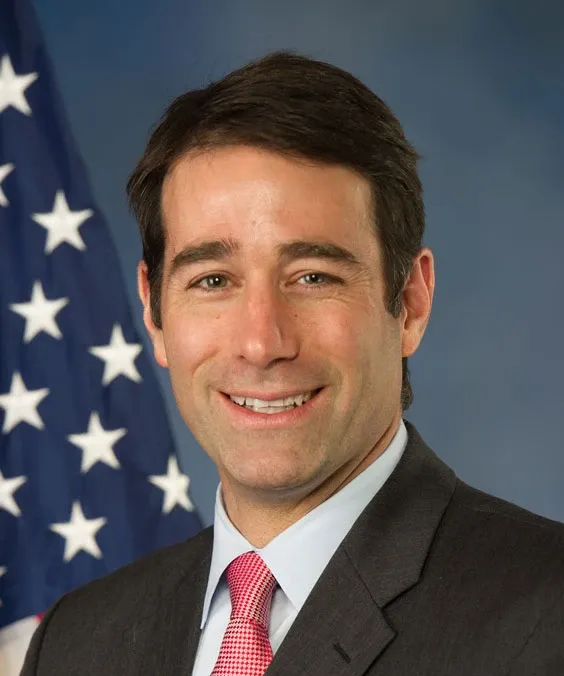
John Fleming is a Republican politician from Louisiana who served as a member of the U.S. House of Representatives from 2011 to 2017. During his time in Congress, he represented Louisiana's 4th congressional district, where he focused on issues such as healthcare, fiscal responsibility, and veterans' affairs. Fleming, a physician by profession, has been an advocate for conservative healthcare reforms and has emphasized the importance of reducing government spending. After leaving Congress, he has remained active in political circles and has been involved in various initiatives related to healthcare and public policy.
Commercial and recreational fisheries supporting 1.9 million jobs, and generating $163 billion in sales impact in 2008.
Are we really being penny wise and pound foolish by spending so much money on things that have a very vague and maybe long term aspect?
I look forward to a robust oversight of NOAA's programs and activities to ensure that species, coastal areas--and American jobs--are protected.
I am troubled that these executive branch actions are moving forward without Congressional or statutory approval.
Such decisions made without adequate scientific information are unacceptable.
The lack of regulations has created uncertainty in the region and has had an adverse impact on job creation and the local economy.
Old data means that your scientists and fisher managers include multiple layers of precaution when running their models.
I would urge you, consistent with your agency's mission to 'conserve and manage coastal and marine resources to meet our Nation's economic, social and environmental needs' to be a part of the development of this approach...
Lower harvest levels mean fishery closures or restrictions which means less jobs and more economic harm to coastal communities.
Old data means your scientists and fishery managers include multiple layers of precaution when running their models.
So we actually have people in Washington here who are working to get that price up, when the rest of America is going to the pump and seeing a $50 fill-up in their car jump to $75, and that is crunching the family budget.
So despite some of the things that you are hearing here today, information that is coming from your agency is telling us that we have a lot of stuff that we can use for many years.
Thank you, Mr. Chairman. Let me say first of all that I want to compliment this panel, because this is some of the most cogent informative stuff that we have had in a long time here.
The Administration is comfortable with the regulations because there has been two permits issued, so I think that really ends that debate.
Isn't this really an overall policy by the Administration to allow gas prices to go up, to allow energy prices, fossil fuels, to go up by constricting fossil fuel production in order to allow alternative fuels, which are not really cutting…
The government continually reaffirmed its intention and resolve to restore the moratorium.
But certainly Chairman Hastings will look forward to further discussion, and hopefully working something out with you.
I was deeply disappointed that the Service extended that period for only 30 days.
Most concerning is that according to the BLM's Director, Bob Abbey, the plan as written could reduce Northwest commercial timber harvests by as much as 50 percent.
Politicians like John Fleming