In this, it had some rules. Right now we are discussing: Do we need new rules to do something about the deficit? This was a rule they thought about back in 1974. It was supposed to make things better. But it shows the rules only work if we…
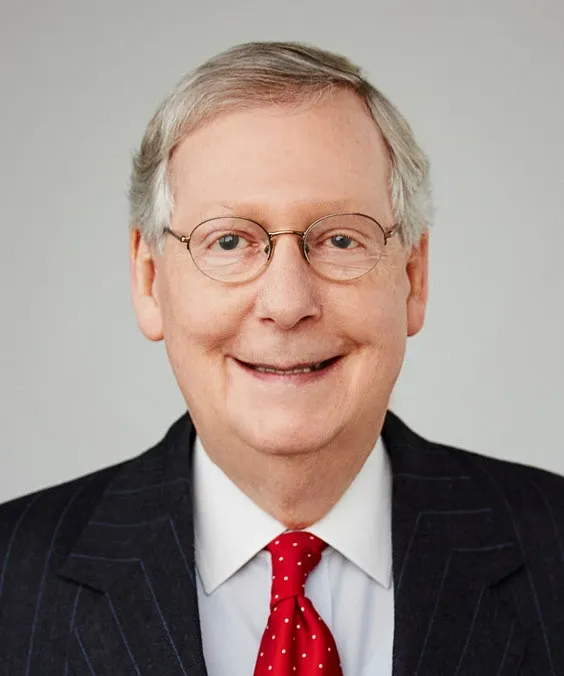
Rand Paul
The Public Record
Rand Paul is an American politician and physician currently serving as the junior United States senator from Kentucky, a position he has held since January 2011. A member of the Republican Party, he is known for his strong libertarian views, advocating for limited government and individual liberties. Throughout his tenure, Paul has focused on issues such as healthcare reform, fiscal responsibility, and civil liberties, often challenging both Republican and Democratic leadership on various policies.
We can't bind future Congresses, so there's no guarantee that any of those cuts ever occur.
I think if we work together, I think all Republicans are willing to do it.
I don't want to increase taxes, because even if you tax rich people or corporations, it really is taxing everyone, because you will have less jobs and it will hurt the economy.
The rich can bear more of the burden. Why don't we have the rich pay the full cost of their Medicare and have the rich take reduced Social Security benefits?
I would like to know why the president doesn't want to balance the budget or doesn't want a balanced budget amendment to the Constitution.
Well, we're listening. And we actually will present a plan in the morning to raise the debt ceiling, contingent upon significant cuts, statutory caps, and a balanced budget amendment.
I don't personally trust the body of Congress to do what they say or any of their promises. That's why I would only trust it if we actually amended the Constitution to say you have to balance your budget.
Unfortunately, see, the other side is not coming to us. They have been putting ads on TV saying we're going to push grandma off a cliff.
But I would say the area where I think we could compromise, if the Democrats are insistent that rich bear more of the burden, let's do it on the benefits side, not on the tax side.
I want to have that full-throated debate and discussion both in Congress and in the public -- 75 percent of the public does want a balanced budget amendment.
And I think what is interesting, if you look at this and you really look at polling data and say: Who is for the balanced budget amendment, it goes across all party lines. If you look at Independents, Democrats, if you look at Republicans…
What does the Senator say to those who say that statutory caps would work, something like Gramm-Rudman or something like pay-as- you-go? What is his answer?
Unfortunately, I think the next resolution, H.R. 2278, isn't much different because it has too many exceptions. It says: Deny funding. But there are too many exceptions, and the exceptions are to allow the very things the President is…
Should we not ask these questions, whether or not there is someone else to provide or what the means of the people are before we give these programs?
I still can't get over how we're going to spend more money and we're going to save money by spending more money.
You can't just say that we're going to spend $2 billion, why not spend $4 billion or why not spend $10 billion to save more money?
I don't see anybody coming forward to any of these committees saying, 'oh, the problems are getting better, the war on poverty is really working, we have less poverty now.'
Some of us believe more in the ability of government to cure problems and some of us believe more in the ability of private charity to cure these problems.
These are fundamental questions and not idle questions, in the sense that we have to ask these questions because we're out of money.
Should the government be the first one lining up so the kids can get the million dollars that granddad has?
Actually, I think there were originally Meals on Wheels programs that were private and relied on private funding from churches and other groups.