Mar 22, 2023
If the Executive makes the decision it has to be appealed by Congress, Congress has to somehow be able to override, or somebody has to be able to override the Presidential decision.
The Public Record
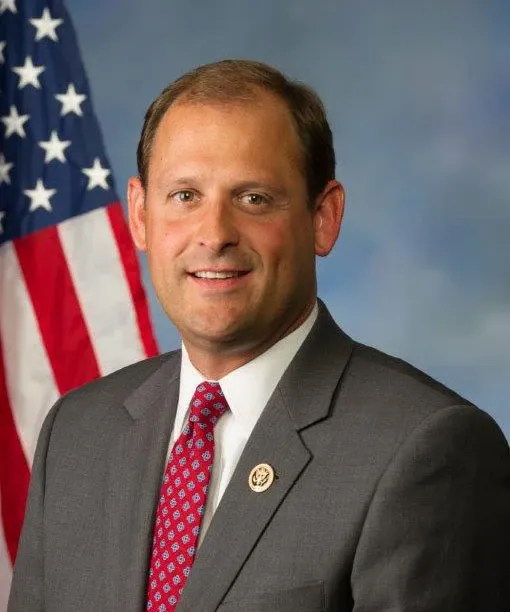
Rand Paul is an American politician and physician currently serving as the junior United States senator from Kentucky, a position he has held since January 2011. A member of the Republican Party, he is known for his strong libertarian views, advocating for limited government and individual liberties. Throughout his tenure, Paul has focused on issues such as healthcare reform, fiscal responsibility, and civil liberties, often challenging both Republican and Democratic leadership on various policies.
If the Executive makes the decision it has to be appealed by Congress, Congress has to somehow be able to override, or somebody has to be able to override the Presidential decision.
We got a bargain here. An expensive bargain? No, a cheap bargain relative to that which it costs us every day.
secrecy is the ultimate mode of regulation . . . for the citizen does not even know that he or she is being regulated.
That is not true. And I would like to enter into the record six peer reviewed papers from the Journal of Vaccine, the Annals of Medicine that say the complete opposite of what you say.
I don't like the idea that the people making the decisions in Government are also receiving money and are now conflicted in their interest.
price controls dull incentives for market entry and hamper drugmakers' ability to adopt conventional and effective market responses
If 90 percent of the myocarditis comes after the second dose, why don't we have a rational discussion about one?
If you set the price too high, the bread rots on the shelves. If you set the price too low, there is no bread.
We got a bargain here. An expensive bargain? No, a cheap bargain relative to that which it costs us every day.
One other item I just wanted to get to was while we all seem to agree on the problem, we all seem to agree on a lot of the solutions, the one thing that sometimes divides us is how we pay for things.
If 90 percent of the myocarditis comes after the second dose, why don't we have a rational discussion about one?
Our system thrives on access and innovation. Government bureaucrats don't get to decide whether we have access to medicine.
Do price controls work and do price controls lead to shortages? Yes. Obviously they do.
I join Senator Johnson in hoping we can get bipartisan requests for records.
Do you think it is scientifically sound to mandate three vaccines for adolescent boys?
I think one suggestion would be if we were to do a bipartisan bill trying to fix this problem that we constitute a working group.
That is not true. And I would like to enter into the record six peer reviewed papers from the Journal of Vaccine, the Annals of Medicine that say the complete opposite of what you say.
Under this same proposal, we would see at least 15 percent fewer drugs developed and brought to market in the next 17 years.
COVID-19 cost the U.S. economy an estimated $26 billion dollars a day between 2020 and 2021.
Even in the generic market when we have shortages are not they limited in raising their prices, at least to government and to most insurance policies.
This is more like a show trial and a public shaming than a fact-finding mission.
price controls dull incentives for market entry and hamper drugmakers' ability to adopt conventional and effective market responses
Politicians like Rand Paul