Well, Ms. Jones, reading directly from the Federal Environmental Impact Statement, it says, 'As a result of these considerations, the Department of State does not regard the no action alternative, that is, not to build the pipeline, we do…
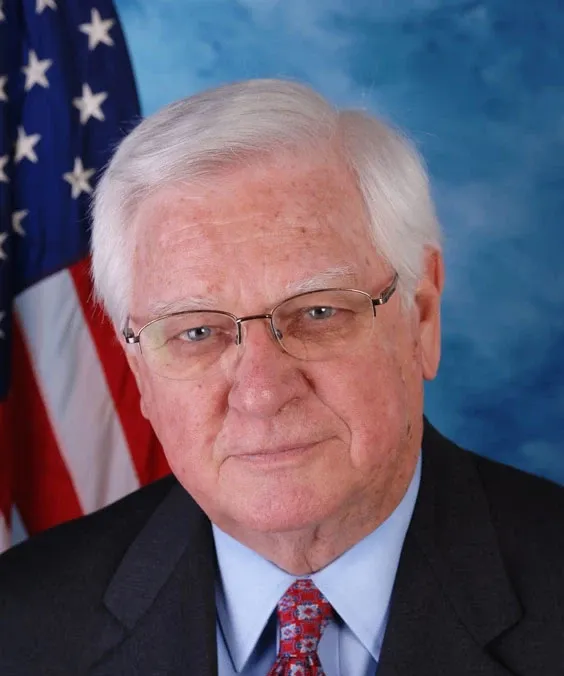
Ed Whitfield
The Public Record
Ed Whitfield is a former Republican member of the United States House of Representatives, who served Kentucky's 1st congressional district from 1995 to 2017. During his tenure, he was known for his work on energy and commerce issues, particularly in relation to the energy sector and healthcare. Whitfield played a significant role in various legislative efforts, including those aimed at reforming the Affordable Care Act and addressing energy policy in the United States. He was also involved in initiatives related to veterans' affairs and agriculture, reflecting the interests of his constituents in rural Kentucky.

I believe that I would rather be dependent on Mexico and Canada than Saudi Arabia and Venezuela.
I cannot believe that anyone on this committee would have their decision on whether or not to vote for this piece of legislation turn on whether Koch Industries or any other private company benefited or was harmed by this.
Today's hearing gives us the opportunity to learn why the Obama administration denied a permit to build the Keystone pipeline from Canada though parts of the United States.
Now we are letting Canada drill here, ship here, and re-export so all we have to do is pay more, both in terms of money at the gas pump and costs to the environment.
This bill just turns the United States into a middleman in a multi-national oil deal between Canada, South America, Europe, or China.
The CEO of TransCanada sat right there and said he would not support that legislation.
While the White House says we are on the road to economic recovery, families in my District... are still struggling.
I would say that in 1974 when Congress passed the Congressional Budget and Impoundment Act... Congress has met the deadline for completion of a budget resolution only six times.
I urge all of my colleagues to reject the siren song of biennial budgeting and redouble their efforts to address the underlying causes of our long-term fiscal challenges.