Apr 26, 2010
I am pleased to join you in welcoming the witnesses and members of the public.
The Public Record
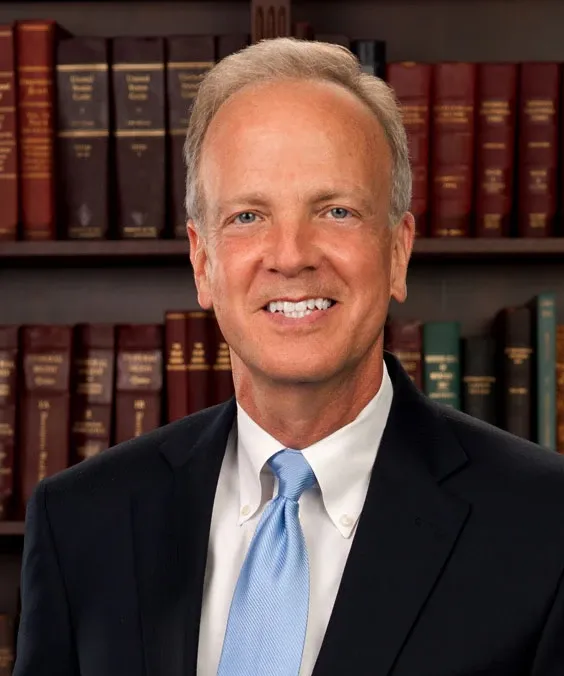
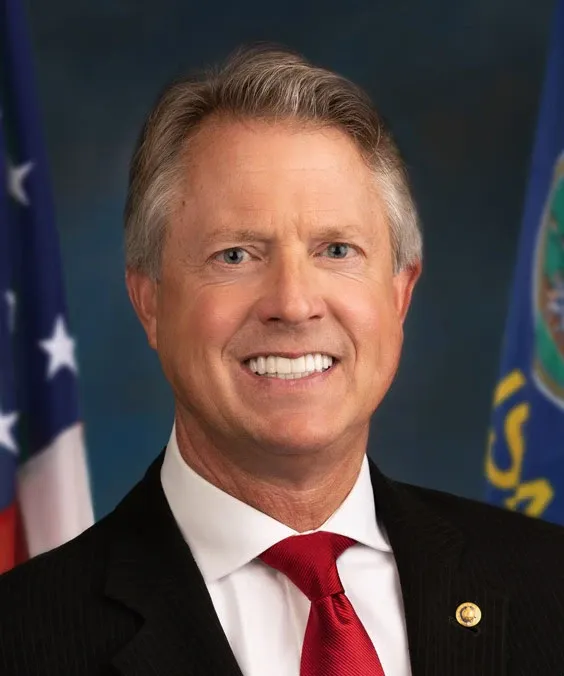
Sam Brownback is a Republican politician who served as the Governor of Kansas from 2011 to 2018. Prior to his governorship, he was a U.S. Senator from Kansas from 1996 to 2011 and a member of the U.S. House of Representatives from 1995 to 1996. Brownback is known for his conservative positions on social issues and his advocacy for tax cuts and economic development in Kansas. During his tenure as governor, he implemented significant tax reforms aimed at stimulating the state's economy, although these policies faced criticism and led to budgetary challenges.
I am pleased to join you in welcoming the witnesses and members of the public.
I sent you a letter in February about USAID's programs and capacity to help address the underlying causes of conflict in the Democratic Republic of Congo.
I urge you to continue supporting plant biotech research in Global Hungry and Security Initiative, particularly in places like Africa and Southeast Asia.
I think it's really key for us to get Congo and probably, as I mentioned, four countries in that region more stabilized.
On neglected diseases, this is an area that Senator Sherrod Brown and I have worked a lot on.
I've got a couple of other issues I want to raise with you, but I hope that's something you can do.
This Comprehensive Peace Agreement's been one of the great successes, I think, of foreign policy for the last decade or so for us that took a 20-year conflict in Africa and has ended.
I want to recognize you and your longstanding commitment to these difficult issues around the world.
I have been pushing them to do this. It really makes a lot of sense to do it.
I would urge you to look at that and I would hope you could look at this possible joint facility at Leavenworth.
The current relationship between the regional Federal Reserve banks and the institutions they monitor provides important insight into economic conditions facing small businesses around the country.
It is my intention to offer an amendment that will eliminate the special status afforded to the Federal Reserve Bank of New York.
I am concerned about weakening the Fed's independence, institutionalizing 'too big to fail,' and perpetuating the status of Fannie and Freddie as zombie banks.
I think we are in a path that is not a good one, and that at any point in time the markets could start to react negatively to our fiscal problems.
I get very concerned about the very real prospect of a government bubble being created.
I am concerned that the U.S. is on the brink of a tipping point where our international creditors lose confidence in the United States.
The Senate bill would establish a permanent bailout fund for large financial institutions that may exacerbate this problem.
It seems not to have ended the notion of 'too big to fail,' but rather to have simply institutionalized it.
At what point does the global financial community determine that the United States is not being serious enough about its fiscal policy, so that it starts raising the cost of capital for the United States?
If the Chinese are not going to allow this float to take place, that we should be forcing this through trade policy, through the possibility of sanctions.
Several of us in the Congress have joined on to a bill to press on China to allow its exchange rate to float.
These costly and most likely inefficient programs will stay with us forever and be paid for by hard working Americans.
Are we on track to have the same sorts of problems that Ireland and some other European countries have presently?
Politicians like Sam Brownback