Apr 19, 2005
I would urge the Committee to tighten the roving wiretap authority to prevent anonymous or dragnet wiretapping.
The Public Record
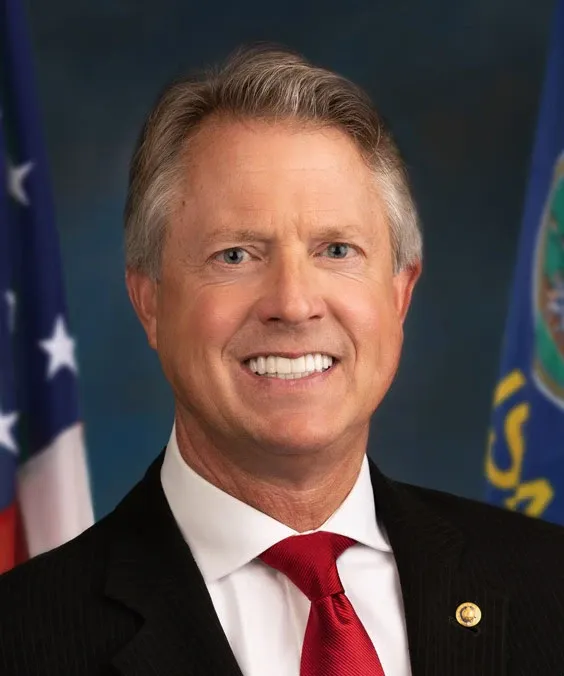
Pat Roberts is a former United States Senator from Kansas, serving from 1997 to 2021. A member of the Republican Party, he was known for his work on agricultural policy and national security issues during his tenure. Before his time in the Senate, Roberts served in the U.S. House of Representatives from 1981 to 1997. Throughout his political career, he focused on issues important to Kansas, including farming and rural development. Roberts was also involved in various committees, including the Senate Committee on Agriculture, Nutrition, and Forestry, where he played a significant role in shaping agricultural legislation.
I would urge the Committee to tighten the roving wiretap authority to prevent anonymous or dragnet wiretapping.
Labor representatives and the Kerry campaign say the move amounts to a pay cut for six million Americans.
The intelligence community was suffering from what we call a collective 'group think.'
Today we know these assessments were wrong. And, as our inquiry will show, they were also unreasonable and largely unsupported by the available intelligence.
We have under Senate Resolution 400 marching orders to investigate or to make an inquiry in regards to the timeliness and the credibility of the prewar intelligence in reference to WMD and any terrorist activity.
I personally believe that the independent commission that the President has proposed is a good thing to do.
I must say that, after repeated interviews by our staff, to date we still have yet to find any coercion or intimidation on the part of any analyst to change their analytical product.
Three years ago, the Subcommittee on Emerging Threats and Capabilities... became concerned that there was no single accountable official in the DOD specifically responsible for combatting terrorism.
If there are any egregious policy decisions that we find in this report, we will look into it.
They all represent unique geopolitical circumstances demanding tailored solutions.
This shows the importance the President has placed on these nonproliferation programs.
I am concerned about post-Castro Cuba and I am concerned about trying to establish some tie of entrepreneurship, some tie so that democracy--I am not trying to get into the Cuban-American situation at all.
Is it Saddam Hussein, Kim Jong Il, Supreme Leader Ali Khamani in Iran, or Osama bin Laden? They are all major threats.
I hope we do not spend too much time today arguing about who constitutes the greatest threat to us right this second.
Thank you Mr. Chairman. I, too, want to offer my welcome to our distinguished witness today.
I want to go back to the suggestion that some have made in regards to direct negotiations with North Korea and Kim Jong Il.
It's not that simple and we ought not to mistake complexities in the threat picture for contradictions in policy.
It's about preventing hundreds of thousands of Americans from dying in an instant.
We have no choice but to deal right now with those axis of evil regimes with links to the new apocalyptic terror groups.
there is no way that we should be even thinking about any kind of withdrawal for these combatants.
We have an obligation to meet with a number of men and women in uniform on the front lines.
The President's national security strategy is simple: prevent a nuclear, chemical, or biological weapon from ever being detonated in the United States.
Politicians like Pat Roberts