Nov 14, 2017
Thank you. Do we have examples of where individuals within the VA or community providers outside the VA, through Choice or community programs, have been fired as a result of their behavior, their activities, in regard to opioid…
The Public Record
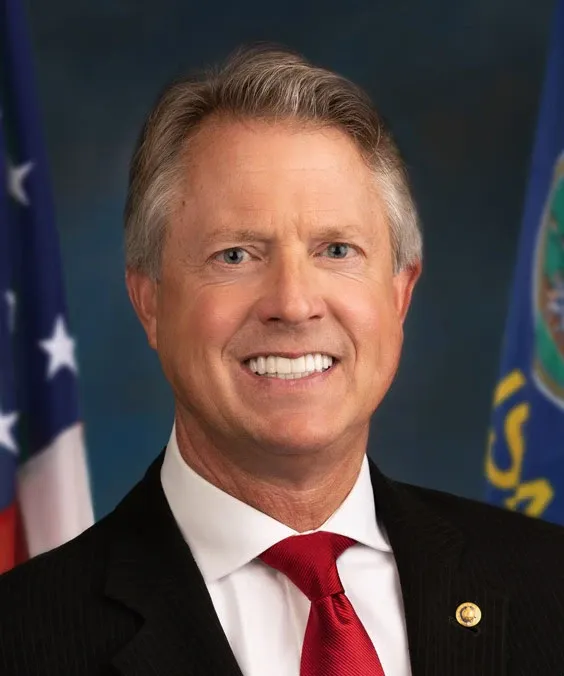
Jerry Wesley Moran is an American politician serving as the senior United States senator from Kansas since January 3, 2011. A member of the Republican Party, Moran has focused on various issues during his tenure, including veterans' affairs, agriculture, and economic development. He has been an advocate for ensuring veterans have access to quality healthcare and has worked on legislation to improve the services provided by the Department of Veterans Affairs.
Thank you. Do we have examples of where individuals within the VA or community providers outside the VA, through Choice or community programs, have been fired as a result of their behavior, their activities, in regard to opioid…
Are there instances of death that resulted from prescriptions of opioids, the use of opioids, because of the circumstances you describe in your report; in other words, prescriptions that are within community care?
Do we have any statistics that demonstrate that a veteran has, as a result of opioid or other drug addiction and abuse, has died in the category of community care?
The policies that the VA is implementing related to opioids really is broader.
The plan, and I think it's the right one, is to consolidate all community care under one program so that Choice and the community care programs that the VA already had before Choice become one pot of money.
In my view, veterans in Kansas and across the country will be misserved, underserved, in the absence of community care.
Congress has a lot of burdens on its back at the moment, one, to get us out of the CR, and to do that, will give us the money we need to fully fund Choice into the future and keep Choice alive and well.
The Senate has now passed legislation requiring chiropractic care in every VA hospital.
In my view, the VA was slow in its implementation of that and didn't seem to embrace that concept.
In 2016, 235.9 million opioid pills were sold in Arkansas, three opioid prescriptions for every Arkansan.
Opioid overprescription abuse is truly a severe problem in Arkansas, as we discussed, and is so much so throughout the country.
Thank you for your testimony today and for the role you're playing in changing the world for the better.
It's true in conversations that we have, casework in our office, in which the complaint will be, 'I no longer can get the medications that I need or have had in the past,' so there's pushback because of the addiction.
You do highlight something that I've seen. I mean, I have parents who come to me to tell me their son or daughter needs surgery or they don't believe they're getting the care they need from the VA, but their son or daughter tries to…
We look forward to working with you, and we, too, hope that there is a budget agreement related to the caps in short order.
CARA included a bill led by Senators Baldwin and Capito known as the Jason Simcakoski Memorial and Promise Act or Jason's law, named after Mr. Simcakoski's son.
In July last year, the first major Federal addiction legislation in 40 years, the Comprehensive Addiction and Recovery Act (CARA), was signed into law to address the opioid epidemic in this country.
I hope today's hearing facilitates a candid conversation about the improvements that the Department is making and needs to make and how Congress can support you with appropriate funding and needed changes in the law.
The Comprehensive Addiction and Recovery Act (CARA) was signed into law to address the opioid epidemic in this country.
I chair the Senate Hunger Caucus and have worked for many years on the issue of reducing food insecurity in the world.
Politicians like Jerry Moran