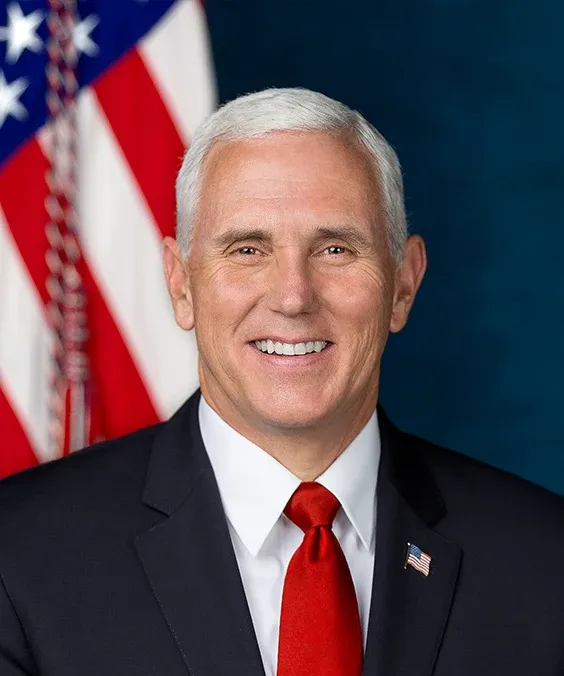
Mike Braun
The Public Record
Mike Braun is an American businessman and politician currently serving as the junior United States senator from Indiana, a position he has held since January 3, 2019. A member of the Republican Party, Braun has focused on issues such as fair representation and gerrymandering, advocating for equitable electoral maps in Indiana. His business background includes founding a successful auto parts company, which has informed his approach to economic policy and job creation.
May 3, 2023
Running $2 trillion deficits, the Trump tax cuts, which by the way were getting close to paying for themselves pre-COVID, that is chump change, $150 billion per year.
May 3, 2023
The numbers always win. You can't escape them. And currently, we are in a place where we have got time, but it takes political will and discipline.
May 3, 2023
We are entering into a much broader discussion. It is right in front of us now with what is happening over in the House in terms of debt limit.
May 3, 2023
I am against a carbon tax because it is regressive. It hurts poor people the most.
May 3, 2023
I certainly think if we don't have smart policy that addresses the issue domestically, other countries are less likely to act.
May 3, 2023
The heaviest lifting would have to be done through spending if you want to get to a balanced budget.
May 3, 2023
Running $2 trillion deficits, the Trump tax cuts, which by the way were getting close to paying for themselves pre-COVID, that is chump change, $150 billion per year.
May 3, 2023
So, in 2019 we spent about 4.5 trillion. 2020 we did the CARES Act, and that was bipartisan.
May 3, 2023
I think if we still have a Budget Committee, we ought to use it through regular order to at least put something out there.
May 3, 2023
You don't have the printing press in the basement, and you do not have a credit card that is automatically renewable.
May 2, 2023
The numbers always win. You can't escape them. And currently, we are in a place where we have got time, but it takes political will and discipline.
May 2, 2023
What we need to do is use our own oil and natural gas resources and encourage other countries to use clean natural gas also.
May 2, 2023
The heaviest lifting would have to be done through spending if you want to get to a balanced budget.
May 2, 2023
The most important thing is we have got to survive into the mid and long-term financially.
Politicians like Mike Braun