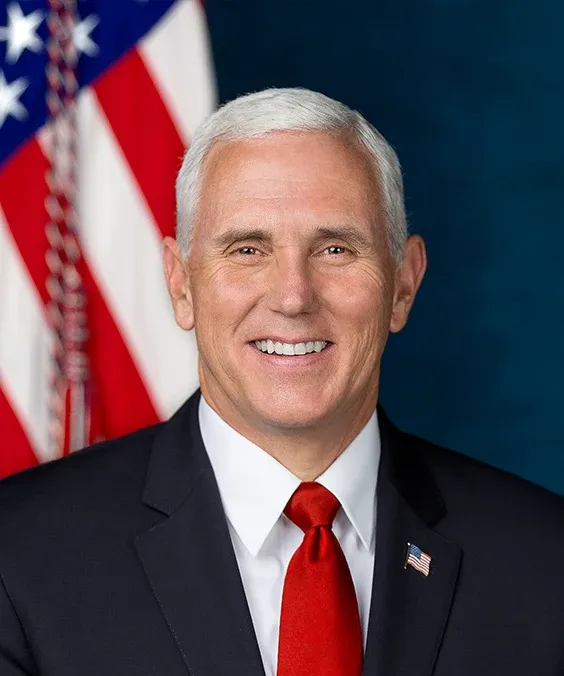
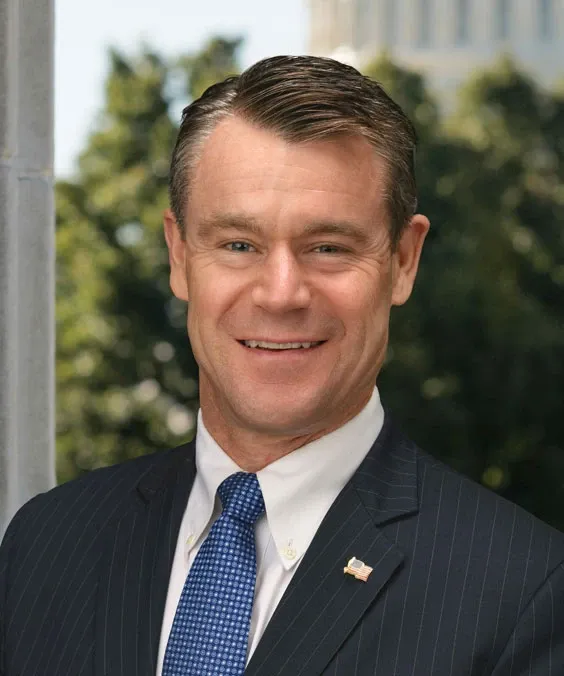
Mike Braun
The Public Record
Mike Braun is an American businessman and politician currently serving as the junior United States senator from Indiana, a position he has held since January 3, 2019. A member of the Republican Party, Braun has focused on issues such as fair representation and gerrymandering, advocating for equitable electoral maps in Indiana. His business background includes founding a successful auto parts company, which has informed his approach to economic policy and job creation.
Jul 10, 2024
That was a key element that actually brought it into line, because my employees became health care consumers and they exercised their power in doing it.
Jul 10, 2024
The Braun-Sanders bill is so important is because it makes this data available in a standardized format
Jul 10, 2024
I do not know of one other industry where we have had to bring, at the federal government level, a transparency bill.
Jul 10, 2024
That is the ultimately behavior of a monopoly, and remember, they are the supplier, and this is going against their own customers, and that, to me, is indicative of why we are in the pickle we are in.
Jul 10, 2024
I look forward to continuing to work with my colleagues on both sides of the aisle to get the Health Care Price Transparency Act 2.0 to the President's desk.
Jul 10, 2024
Small employers will really benefit from access to tools and technology that can leverage that standardized formatting
Jul 10, 2024
We strongly endorse the bipartisan Senate Bill 3548, The Health Care PRICE Transparency Act 2.0, introduced by Senate Health Education Labor and Pensions (HELP) Committee member Senator Mike Braun and Committee Chairman Bernie Sanders.
Jul 10, 2024
Today, we heard about the importance of health care price transparency and how access to this information will lower costs for Americans.
Jul 10, 2024
By the way, before my time runs out, back in 2008, the insurance companies told me that if you can create a market and an engaged consumer you will save so much money.
Jul 10, 2024
I would like your opinion, Dr. Whaley and Ms. Deacon, on how do we get what drives most markets would be unfettered competition, no barriers to entry, price transparency, but an engaged consumer?
Jul 9, 2024
We need to start doing a few things that most Americans believe should be done, don't spend more than you take in.
Jul 9, 2024
I would ask that the healthcare industry embraces things like competition, transparency, engages every American in their own wellbeing.
Jul 9, 2024
Healthcare is the place that we can within our own means, take a broken industry and system, that has no consumer involvement within it.
Jul 9, 2024
We end up with something like a Chapter 11 in the real world, which means sooner or later you've got to get our spending in line with our revenue.
Jul 9, 2024
If we don't want to keep borrowing from our kids and grandkids, that we've got to choose and prioritize what we're spending.
Jul 9, 2024
But generally that would mean once you cut taxes you're depriving the treasury in the short run.
Jul 9, 2024
We need to start doing a few things that most Americans believe should be done, don't spend more than you take in.
Politicians like Mike Braun