Sep 10, 2012
It is always a memorable time and usually very short because on September 11th, that it was a short event in which we gathered.
The Public Record
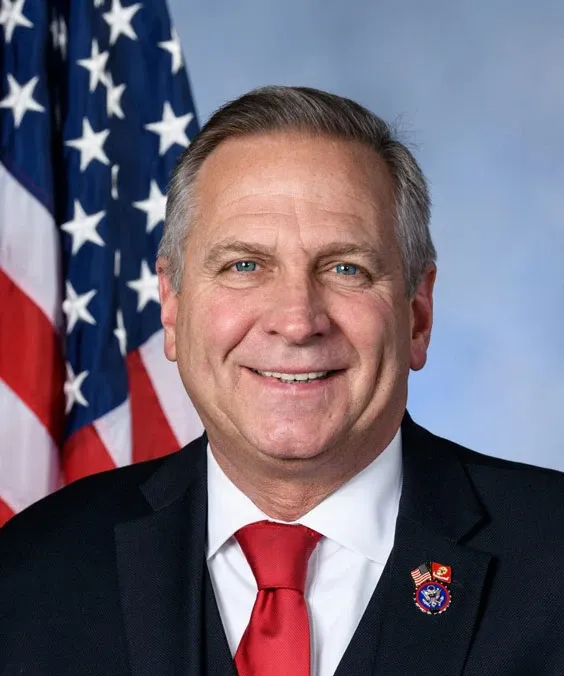
John Shimkus is a former U.S. Representative from Illinois, serving in the House from January 7, 1997, until January 3, 2021. A member of the Republican Party, he represented Illinois's 15th congressional district. During his tenure, Shimkus was known for his work on issues related to energy, environment, and agriculture, often advocating for policies that supported these sectors. He served on several committees, including the Energy and Commerce Committee, where he focused on energy policy and environmental regulations.
It is always a memorable time and usually very short because on September 11th, that it was a short event in which we gathered.
And the point being, two similar facilities--one in downtown Manhattan; one outside Olney, Illinois--two very different risk portfolios.
If you can't get the small things right, how do people trust you to do the big things in this issue?
So DHS is in the high-risk; CFATS is probably their number-one problem of concern.
Well, I think it was last year when I had an inspector just come visit and kind of do an open-office-hour type of thing.
I guess the big point is, if you can't do the small things, how can the country, the localities, the taxpayers, the public interest groups, expect us to do the big things?
How do you best honor those on a day like today than to address the threats of today?
Even in my own district in southern Illinois, where is my oil and gas exploration and recovery going on?
There is no reason for us to continue to have a negative balance of trade and continue to be a borrowing country when we could have a positive balance of trade and we could turn into a lending company if we released our energy companies to…
There is really no reason we should have a recession currently if we release our energy companies to explore, identify, and recover our energy resources.
It has the fewest proposed number of lease sales ever submitted by an administration, going back to President Carter.
We are now going through a possible timber harvest, and its nonnative species. So it should be a win-win.
The fracking boom is coming to southern Illinois, and there are a lot of exciting opportunities there, especially for rural, small-town America.
I think it is by far the majority bipartisan consensus that we move forward at least finishing the study.
The $500 billion also was supposed to go to help pay for the Affordable Care Act.
There is no current technology for carbon capture and sequestration. I don't believe there ever will be, economically feasible.
Would these come down if we moved on a public policy and there was a possibility of the economies of scale? Would you imagine that would happen?
Politicians like John Shimkus