Feb 26, 2013
If major financial institutions can call someone and ask about an improper payment that is outside their area within 12 hours of the payment being made, for the life of me, I don't understand why that is not a good system to help us…
The Public Record
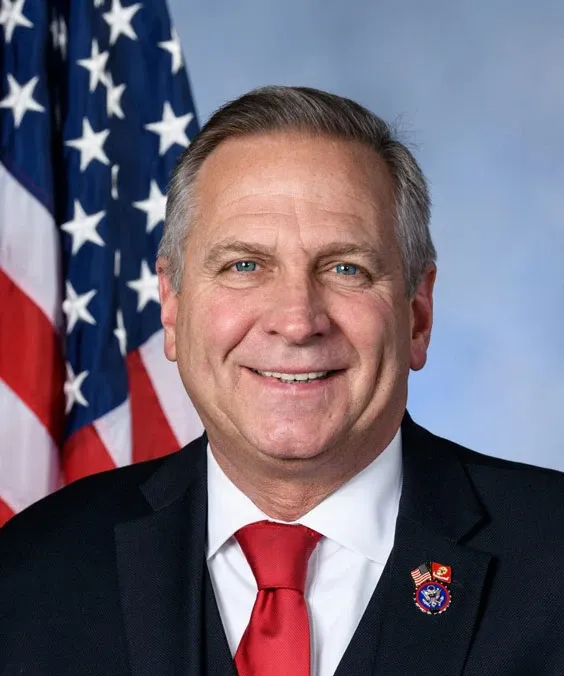
John Shimkus is a former U.S. Representative from Illinois, serving in the House from January 7, 1997, until January 3, 2021. A member of the Republican Party, he represented Illinois's 15th congressional district. During his tenure, Shimkus was known for his work on issues related to energy, environment, and agriculture, often advocating for policies that supported these sectors. He served on several committees, including the Energy and Commerce Committee, where he focused on energy policy and environmental regulations.
If major financial institutions can call someone and ask about an improper payment that is outside their area within 12 hours of the payment being made, for the life of me, I don't understand why that is not a good system to help us…
The original mission of the Department of Energy was to decrease our reliance on imported crude oil.
Some people might suggest states lack the will to enforce their laws or they are reluctant to pass anything serious. I think that answer is not fair.
The States are by no means junior regulators or the minor leagues of environmental protection.
I think history shows the states have generally acted first on matters before the federal government has stepped in.
The states are by no means, 'junior regulators' or the minor leagues of environmental protection.
Some people might suggest that States lack the will to enforce their laws or that are reluctant to pass anything serious. I think that answer is not fair.
State regulators have every bit the same educational background, expertise, desire to protect the environment, and sense of professionalism as any employee at the EPA.
States are by no means junior regulators or the minor leagues of environmental protection.
I am still a capitalist, competitive model folk. I do think people shop around based upon dollars and cents.
My frustration with the health care delivery system is, they are kind of left out.
I do think people shop around based upon dollars and cents and based upon their return on dollars, they will make decisions.
The administration is gaming the system to say that, because we have government subsidized power plants at millions of dollars, that it is commercially viable, is fraudulent, and it is very disappointing.
But commercially viable also talks about the cost and benefit, and the capital investment, and the risk assumed in the cost for selling the commodity product.
Does EPA believe it is appropriate to rely on government subsidized demonstration projects to show that a technology is adequately demonstrated?
Are there any commercial scale CCS power plant projects going forward right now in the U.S. that aren't receiving government funding?
Will this turn out to be the Jekyll or will this turn out to be the Hyde, and I don't think we really know yet, unfortunately.
In this era of budget crises and entitlement reform, to think that we wouldn't do some simple steps to get a handle on waste, fraud, and abuse is unbelievable.
There was a huge rally in deep southern Illinois over the weekend to protect and save coalmining jobs in the country.
We, as authorizers, also really dislike public policy created through spending authority versus authorization.
I do agree, I find the work of the GAO very helpful to us as public policy folks.
Let's just take a look at it, write an authorization, get bipartisan support, clean it up.
Could we get a better return on investment and a more timely process getting it right before it deployed?
I understand that GAO has placed DHS on its high-risk list due to management challenges facing the Department.
Politicians like John Shimkus