Nov 2, 2015
I also agree that family structure where there are two certainly has more impact and more positive impact than oftentimes where there is one.
The Public Record
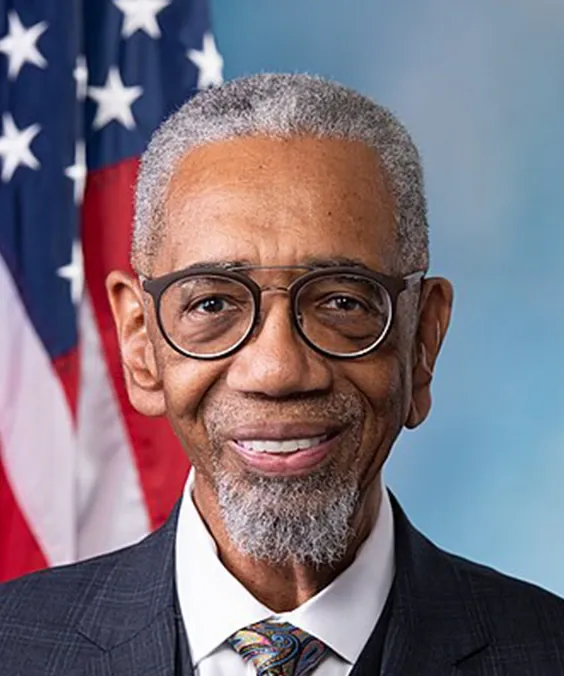
Danny K. Davis is an American politician serving as the U.S. Representative for Illinois's 7th congressional district since 1997. A member of the Democratic Party, he has focused on issues such as consumer protection and social justice throughout his tenure. Davis has been an advocate for legislation aimed at addressing telemarketing fraud and ensuring honesty in sweepstakes, highlighting his commitment to protecting consumers.
I also agree that family structure where there are two certainly has more impact and more positive impact than oftentimes where there is one.
But the other thing that I would say is that you want to move towards an idea of integrating the processes.
I do believe--and I hope that you take this back--that we need to have some flexibility in that process, because the technology has changed, even over the time that this program, this exemption program, was implemented.
I have always had a great deal of affinity and, hopefully, some understanding of rural America's needs as it relates to health care.
I am concerned that reductions to Medicare graduate medical education would harm teaching hospitals' ability to effectively train the number of physicians we need in the future.
Some of the longest debate that we had during our farm bill negotiations were obviously related to the programs that funded our food and nutrition programs.
I appreciate the Ranking Member, Mr. McGovern, who is very passionate about these issues.
I applaud the bill for increasing access to education and training, and focusing on actual employment.
But, at the end of the day, I think we have to remember that, no matter what happens, these are individuals who have worked for their disability insurance.
Cutting the benefit amount or altering program eligibility would take away already scarce resources of many vulnerable Americans.
We may not get everything that we pay for, but we most certainly will pay for everything that we get
I think the original message that was coming out of FirstNet in the very early days was consistent coverage across the entire country.
I grew up during an era when people put a great deal of emphasis on the notion that an ounce of prevention was worth much more than a pound of cure.
I think I am going to take away one thing that you said that I am going to keep in my mind and repeat when I am back in the district as I meet with the employers, that no agencies are going to bail you out when these additional costs are…
I appreciate your emphasis that this is not about budget cutting, but finding the best solutions and the best results.
As one of the authors of the evidence-based provisions of MIECH, the home visiting program, I am delighted to have a discussion on how policy helps to shape decisions.
To help improve our prospects for keeping confectionary and baking jobs in Chicago and other places, the TPP could provide new market access for TPP countries that have sugar for export.
We appreciate your efforts to craft new trade agreements, such as the Trans-Pacific Partnership agreement, in such a way that benefits U.S. jobs.
Politicians like Danny Davis