Sep 5, 2017
In Chicago, the unemployment rate for African American men was 21.7 percent in 2015, more than triple the national average.
The Public Record
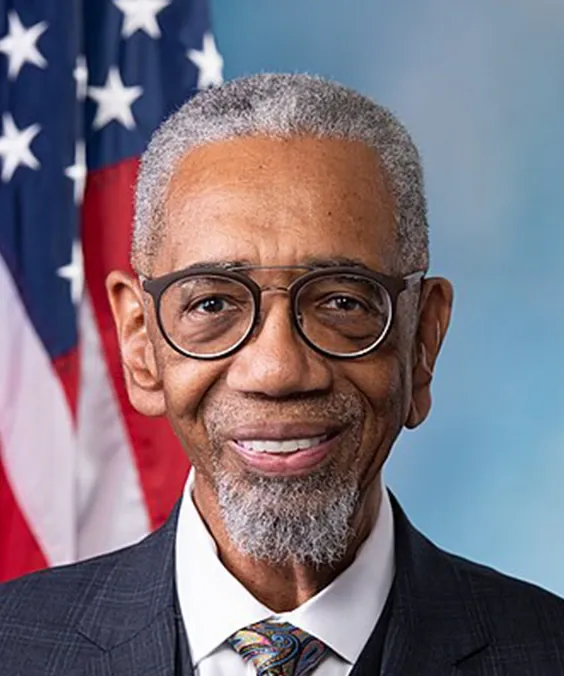
Danny K. Davis is an American politician serving as the U.S. Representative for Illinois's 7th congressional district since 1997. A member of the Democratic Party, he has focused on issues such as consumer protection and social justice throughout his tenure. Davis has been an advocate for legislation aimed at addressing telemarketing fraud and ensuring honesty in sweepstakes, highlighting his commitment to protecting consumers.
In Chicago, the unemployment rate for African American men was 21.7 percent in 2015, more than triple the national average.
I see every day the structure barriers to work that face low-income men in Chicago, especially African American men.
My heart breaks for the people in Texas and Louisiana struggling to recover from Hurricane Harvey, and I look forward to working with you on ways our subcommittee can help in the recovery as well.
Thank you, Mr. Chairman, and I want to thank you for holding this hearing about the continuing decline in working-age men in the labor force.
The U.S. agriculture sector, including food manufacturers, is deeply concerned about the potential erosion of benefits under NAFTA.
I certainly agree that globalization is a fact of life. And we must be strategically prepared to market successfully whatever products, whatever businesses that we have to other countries.
Any time we continue to lose jobs that we can't replace, that becomes for me a trade issue.
Our Members are expressing serious concern about the continuing domestic rise in sugar price.
I live in Chicago, Illinois, and my hometown has the largest concentration of companies that process sugar-contained products made in our country.
For the record, I want to be crystal clear. In today's world, private debt collection will only make a bad situation much worse.
Congress must fully fund the IRS. Despite the success of the filing season, I am concerned that the agency does not have the resources to serve taxpayers.
Frederick Douglass said, "It is easier to build strong children than to repair broken men."
The two of them together have developed an approach that we hope will become a large entity.
But the issue that I came to talk about is that of urban farming, or developing an approach to urban farming, where it, in actuality, is much more than pipe dreams that people talk about.
Thank you very much, Mr. Chairman and all Members of the Committee. First of all, let me thank you for the opportunity to be here and to testify before this very prestigious Committee.
I am here today to advocate for a critical program that is reconnecting families and stabilizing communities, the Second Chance Act.
Could targeted Federal investment make a real difference in the kind of communities you have studied?
Each one of you talked about a lack of local resources for addressing some of the key challenges of poverty--skill-building, supports like child care, health care, transportation, and housing.
We can stop insulting people by suggesting work requirements for programs that offer struggling families food or basic health care.
Poverty and lack of opportunity have consequences, not just for individuals and their families but also for their communities.
Politicians like Danny Davis