Jun 19, 2018
I also think all of Congress looks forward to your superiors having the courage to appear before Congress to answer for the outrage that is happening in our southern border.
The Public Record
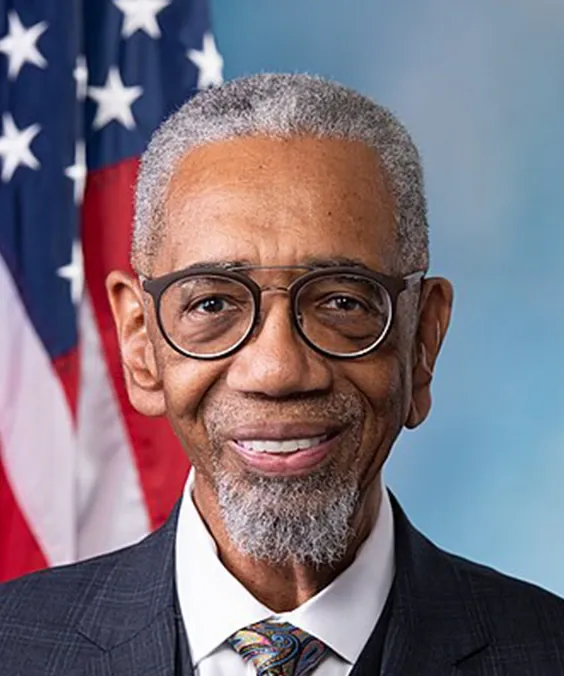
Bill Foster is an American businessman and politician currently serving as the U.S. Representative for Illinois's 11th congressional district, a position he has held since 2013. A member of the Democratic Party, Foster has focused on issues such as science, technology, and economic development during his tenure in Congress. He has a background in physics and has worked in the private sector, including founding a successful technology company.
I also think all of Congress looks forward to your superiors having the courage to appear before Congress to answer for the outrage that is happening in our southern border.
Can she expect also to be pulled over because someone thinks that she doesn't look like an American?
I was told from advocates on the ground, which were later confirmed by the Chicago Tribune and others, that ICE agents pulled over and detained one Victor Cortez, a Mexican national who is here legally.
Will ICE be constructing more cages to separate children from their parents?
I understand the Administration has announced plans to expand its capacity for holding children who have been separated from their parents in facilities sometimes known as 'baby jails'.
The United States has served as a beacon of hope and freedom since its founding. We are watching that hope and freedom erode right before our eyes.
We don't need a new law to put an end to this trauma and the President could very easily have put a stop to any of these policies with one phone call.
Hundreds of children are sitting in cages who have been forcibly separated from their families.
I believe the real job creator is a customer. Customers come from the middle class, and we have to focus on making the middle class healthy.
Last week, the Federal Reserve made the historic announcement that household net worth in the United States, the wealth of Americans, just went over $100 trillion.
I would just like to say that I would hope that my colleagues in Congress would be much more tolerant of technical risk.
The bill that the majority is bringing to the floor this week will preclude the reissuance of that necessary guidance instructive of how to comply with the Equal Credit Opportunity Act of 1974, which will remain in place. Lenders will…
This 5 percent limitation means that any well-capitalized small bank that decides to invest in tradeable assets could take 100 percent losses on its trading positions without becoming insolvent and without threatening the Deposit Insurance…
So a 30 percent cut, and then the Democrats negotiated it up to flat. Is that a fair summary of what happened?
That was the number they got adjusted after Democrats insisted on having proper funding for that section of the budget.
We're doing our best to protect you from the proposed budget cuts that would make your life miserable if they came through.
You know, you live in a situation where you have political oversight at the very top levels.
I was really impressed by his enthusiasm for the crucial science and the research conducted at the labs.
It strikes me there are three fundamental questions that I would like your reaction to that we have to face.
Distributive ledger technology has tremendous promise and the value of a non-falsifiable ledger will have broad applicability to financial and non-financial transactions.
There was a letter from a long list of Nobel Prize winners just focusing on how the United States should lead
Politicians like Bill Foster