Apr 26, 2010
In 2008 Senator Crapo convened the Clearwater Basin Collaborative and continues to play a key role in fostering dialogue to address the natural resource challenges of this spectacular landscape.
The Public Record
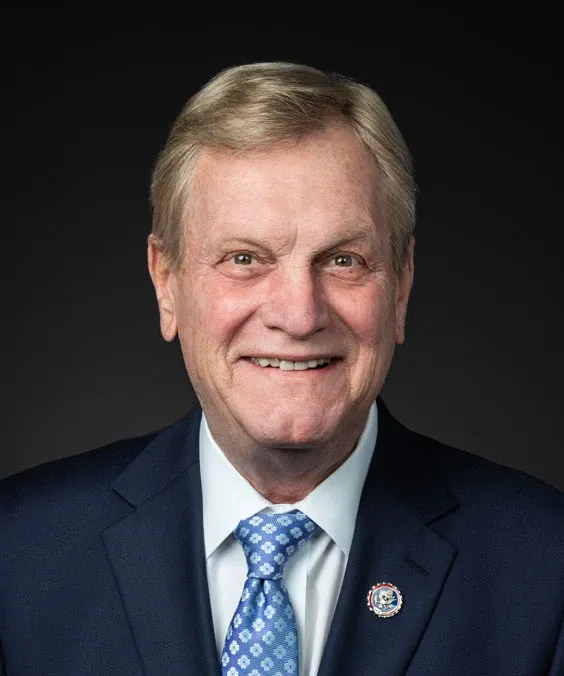
Mike Dean Crapo is an American politician serving as the senior United States senator from Idaho, a position he has held since 1999. A member of the Republican Party, Crapo has focused on various issues including tax policy, healthcare, and trade. He has been an advocate for making the 2017 Trump tax cuts permanent and has expressed support for targeted tariffs to protect American interests.
In 2008 Senator Crapo convened the Clearwater Basin Collaborative and continues to play a key role in fostering dialogue to address the natural resource challenges of this spectacular landscape.
The collaborative model--which requires all parties to come to the table and be willing to compromise--has proven successful and will continue to do so.
Senseless fighting over the management of our treasured natural resources can be a thing of the past.
The two health care bills, the one the President has already signed into law plus this one we are considering will spend another $2.6 trillion over the next 10 years. In order to pay for it, one of the things that these bills include is…
It is the clear intent of the Senate for the FAA to halt its consolidation of the Boise TRACON until after the new board completes its recommendations for realignment.
I think that this Committee and this Congress need some level of specificity on which to act with regard to these proposals because if we get them wrong, I think that we could be doing as much damage as good.
Senator Tester and Senator Baucus deserve tremendous credit for their leadership on public lands management in Montana.
Before Senator Baucus leaves the room, I just want to also thank him for the good working relationship which he and I have had.
Senator Risch and I have already spoken personally with Senator Tester about those, and as he has indicated, we are working together to find, again, a collaborative solution to those kinds of issues that we can move forward on.
I also agree with the need for accountability in trying to achieve some of these national policy objectives that we establish.
I would also like to thank you very much for coming here today to listen to the concerns of both the Chesapeake and the Gulf of Mexico.
I, for one, believe that we need to have the full involvement of our States and local communities in environmental protection.
How do you foresee the Gulf of Mexico Program working with the new ocean policy that is contemplated there?
I want to compliment you for your hard work on these issues and on this legislation.
I cannot be supportive of a massive Federal expansion of EPA's authority, which poses serious consequences for agriculture and local development.
Whether it's new energy taxes from cap-and-trade legislation or more unfunded environmental mandates, it's clear that this bill is yet one more raw deal for rural America.
My problem is that we continue, in different contexts, to hear positive support with regard to nuclear.
This massive energy tax is a job killer for States that produce the red, white and blue energy that our Nation relies upon.
Why are you trying to jam this legislation through committee when it is unlikely we will move legislation or that a treaty will be ratified this year?
I predict that if we rush this bill through committee without a considered, thoughtful amendment process, we will have a similar result.
This just shows the importance of us being able to have the time to know what is in the bill and to vet it adequately.
I wish that the legislation gave the Secretary of Agriculture a greater role.
I would hope that as we move through the hearing process here that we will also take the time to get a thorough EPA analysis and to get a thorough CBO score before we would go to any kind of a markup.
I want to congratulate you for having some bill language for us to evaluate, although we just barely got it.
Politicians like Mike Crapo