Jun 5, 2026
For far too many small businesses and their employees, federal bureaucracy stands in the way of economic opportunity.
The Public Record
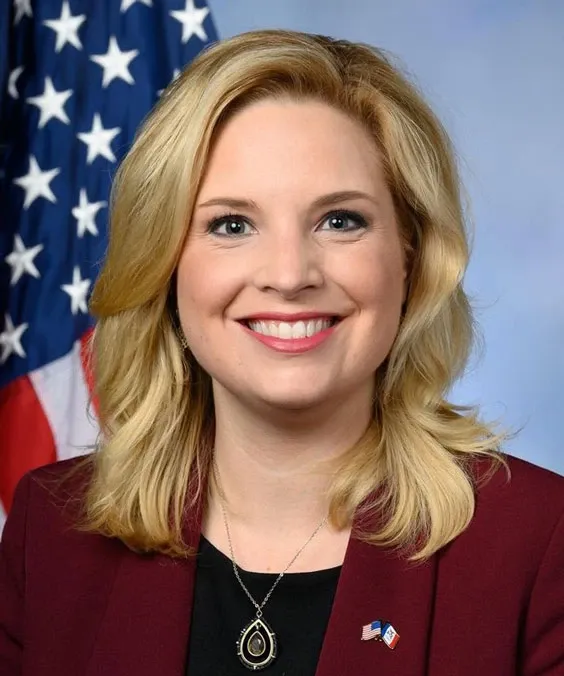
Joni Kay Ernst is an American politician serving as the junior United States senator from Iowa since January 6, 2015. A member of the Republican Party, she is the first woman to represent Iowa in the U.S. Senate. Ernst has focused on issues such as agriculture, rural development, and veterans' affairs throughout her tenure. She has been an advocate for bipartisan efforts to address the needs of rural communities and has emphasized the importance of legislation that supports farmers and agricultural interests in Iowa.
For far too many small businesses and their employees, federal bureaucracy stands in the way of economic opportunity.
Over the past 50 years, the national poverty rate has barely moved — and Iowa is no exception.
Allowing firms with financial or operational ties to foreign adversaries to secure federal contracts and influence defense-related decisions creates an unacceptable national security risk.
It’s time this issue is fully addressed so Iowans can rest assured that their mail is being delivered accurately.
All Americans deserve timely and efficient mail service, and by bringing together numerous proposals representing impacted communities across the country, I know we can finally seal the deal.
Today’s hearing will assist that effort by providing insights from our witnesses into how to spot the warning signs of rip offs and cover-ups.
The values of hard work and self-sufficiency have defined who we are as a nation.
By empowering states, the Upward Mobility Act will reduce government imposed barriers to financial independence and streamline the administration of federal welfare programs while taking measures to protect against fraud.
Hard working folks shouldn’t be punished for doing what is right for themselves and their families.
The Upward Mobility Act recognizes what most Americans understand: the best solutions often don’t come from Washington.
Small business employers hoping to reward top talent are instead faced with the reality that due to misguided federal policies, rewarding hard workers may actually harm their employees financially.
To make matters worse, the complex interactions of dozens of different programs create unintended cliffs and inhibit upward mobility.
Benefits cliffs create a paradox where the federal government, in effect, penalizes workers and leaves them worse off for pursuing higher income.
For far too many small businesses and their employees, federal bureaucracy stands in the way of economic opportunity.
Over the past 50 years, the national poverty rate has barely moved — and Iowa is no exception.
I’m proud to recognize their tremendous contributions by designating National Small Business Week.
It’s focused on improving financial traceability and accountability across the department.
This week and every week, I am grateful for their tireless service and sacrifice that allows our nation to function.
I am revealing today that the Quality Learing Center also received nearly a quarter-of-a-million dollars from the SBA during the pandemic.
In Iowa, we have a unique understanding of the ways biobased innovation adds value to our communities and businesses.
As a mother and grandmother, I know firsthand that access to dependable, high-quality child care is essential for working families and the strength of our rural communities across Iowa.
For nearly four decades, Mapleton Hometown Variety has woven into the fabric of the Mapleton community with quality products, personalized customer service, and a strong commitment to supporting local families.
Fraudsters were literally allowed to take $250 million from the mouths of children.
Politicians like Joni Ernst