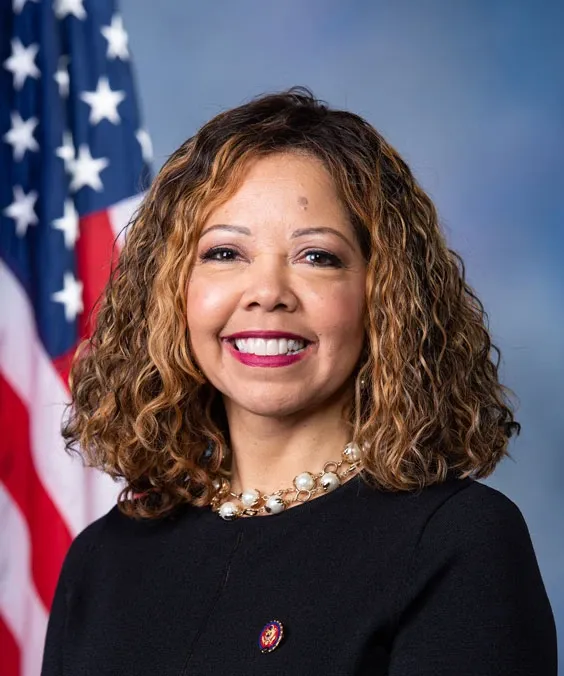
Jimmy Carter
The Public Record
Jimmy Earl Carter served as the 39th President of the United States from January 20, 1977, to January 20, 1981. A member of the Democratic Party, he previously held the office of Governor of Georgia from January 12, 1971, to July 1, 1975. During his presidency, Carter focused on human rights, energy conservation, and the Camp David Accords, which led to a peace treaty between Israel and Egypt. His administration also faced significant challenges, including the Iran Hostage Crisis and economic difficulties marked by inflation and unemployment.
Oct 28, 1976
Our people are ready to move ahead again, to put our troubled past behind us.
Oct 28, 1976
We can have an America that provides excellence in education for every child, and that provides first-rate medical care for every citizen.
Oct 28, 1976
This administration has made working men and women the hostages in their fight against inflation.
Oct 24, 1976
A man or woman who served our nation in time of war deserves a job in time of peace.
Oct 22, 1976
I don't intend to lose; but it's just as much your country as it is mine.
Oct 22, 1976
I want that vacuum in world leadership to be filled by freedom and not slavery.
Oct 21, 1976
We spend $600 per person in this country for health care. We still rank 15th among all of the nations in the world in infant mortality.
Oct 21, 1976
I think it's accurate to say that the League of Conservation Voters is absolutely right. This administration's record on the environment is very bad.
Oct 21, 1976
I think it's accurate to say that Mr. Ford voted against the voting rights acts and against the civil rights acts in their debative stage.
Oct 20, 1976
This is not a time for discouragement; it's not a time to be withdrawn.
Oct 5, 1976
I have never advocated a Communist government for Italy; that would, obviously, be a ridiculous thing for anyone to do who wanted to be President of the country.
Oct 5, 1976
I think this Republican administration has been almost all style and spectacular and not substance.
Oct 5, 1976
First of all, I would quit conducting the decisionmaking process in secret, as has been a characteristic of Mr. Kissinger and Mr. Ford.
Sep 30, 1976
Yes, veterans whose lives have been disrupted by national service should be given every consideration in their readjustment to civilian life.
Sep 30, 1976
I believe that the burial assistance should be available to all eligible veterans.
Politicians like Jimmy Carter