Jul 27, 2009
I think capital is our first line of defense against systemic risk, and there should be more capital for more risk.
The Public Record
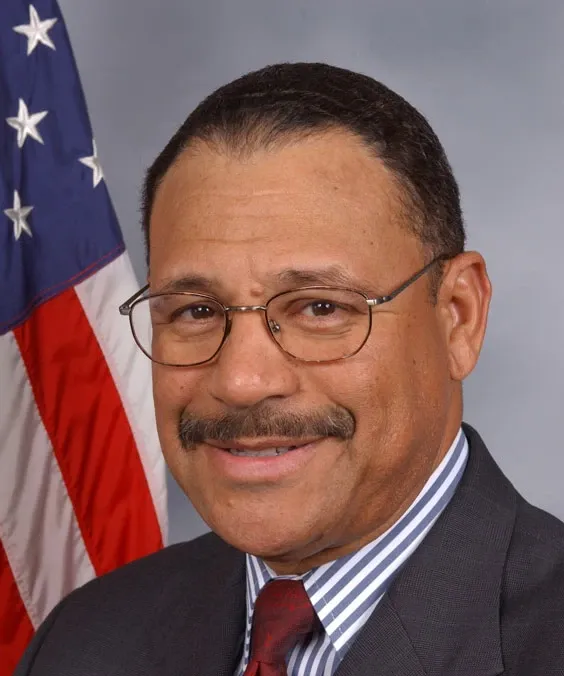
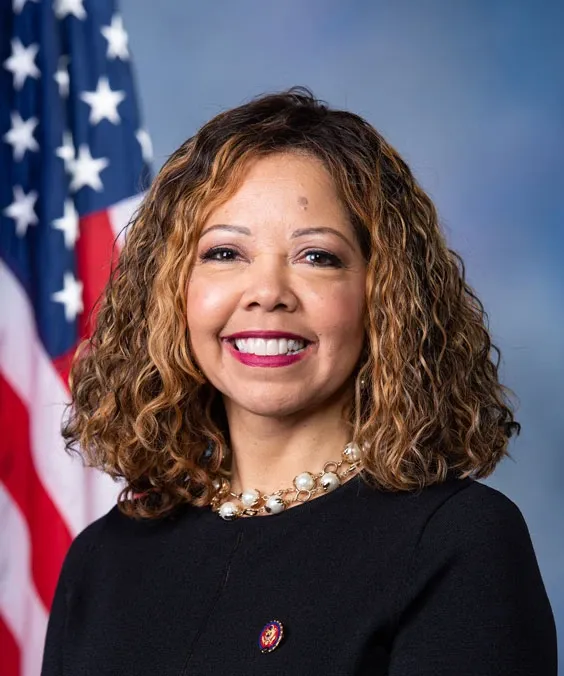
David Albert Scott is an American politician serving as a member of the United States House of Representatives from Georgia's 13th congressional district since 2003. He is a member of the Democratic Party. Throughout his tenure, Scott has focused on issues such as economic development, healthcare, and education, advocating for policies that benefit his constituents in Georgia. He has also been involved in various committees, contributing to discussions on national and local issues.
I think capital is our first line of defense against systemic risk, and there should be more capital for more risk.
It is only by us coming together that we can really find a solution to these very critical issues.
Of course there is certainly a tremendous amount of work to be done before we're all marching through the halls of Congress singing Kum Bay Ya.
A diverse group of panelists... all agreed to something, and that is very, very important.
At the very least, however, it did show that our ideas about where dairy policy should head are not irreconcilable.
America's dairy farmers are some of the hardest working individuals feeding our nation and the world.
We respectfully urge you make generous purchases of dairy products as soon as possible for use in federal nutrition programs.
We urge you to take all steps at your disposal to improve the effectiveness of the Dairy Product Price Support Program (DPPSP) to bolster the price of milk.
And I do believe it will be both administratively with the Obama Administration and the Department of Agriculture increasing their efforts, and there is more I feel that they can do.
A serious imbalance in the domestic dairy industry presents an imminent threat to the economic stability and welfare of American dairy farmers.
So I wanted to hold this hearing to serve as a forum for Members to air their concerns and to examine the width and breadth of policy issues surrounding the dairy industry.
Make no mistake; I do not intend to solve all of the problems facing the dairy industry in the course of this one hearing.
I think that the major model that we are using, AIG, is flawed, at its best.
You know, my point is that older homes are more predominant in rural areas. So if this bias is not corrected, it would have a disproportionate impact in rural communities if there is not some other way of addressing this issue, direct…
I would like to see if you could give us comments on the derivatives and this sort of bias which is in the energy bill towards older homes, which needs to be rectified.
I would like to get your response to is the treatment of derivatives markets.
Excessive compensation packages were indeed a contributing factor because incentives for short-term gains overwhelm the checks and balances.
Giving the $168 million in bonuses and compensation of taxpayers' money to a failing company asking for a bailout was excessive.
Excessive compensation has played some degree and some contributing factor to our financial situation.
We are all capitalists here, we believe strongly in the capitalistic system.
This issue was created by overexuberant, overeager executives who were compensated for lack of performance.
I think that I can understand pay for performance, but for the life of me, I cannot understand pay without performance.
Politicians like David Scott