Feb 9, 2011
First of all, Mr. Gensler, let me ask you. I have heard from a few of our market participants that the CFTC's proposed rule on margin segregation is highly problematic, and perhaps unnecessary.
The Public Record
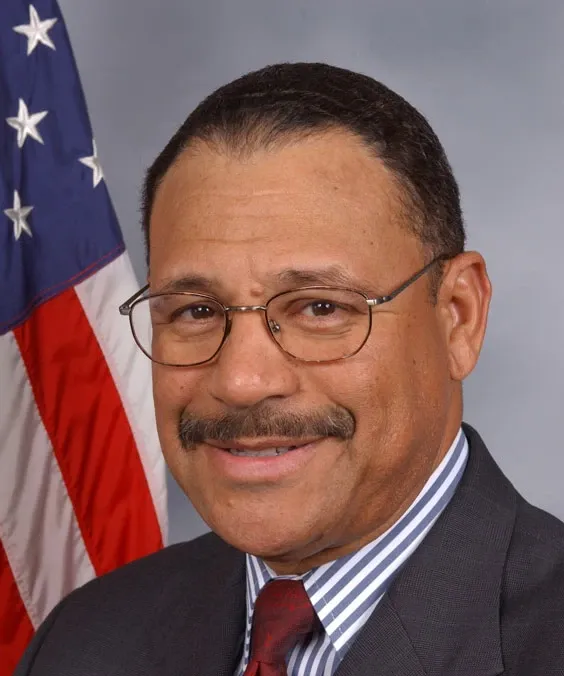
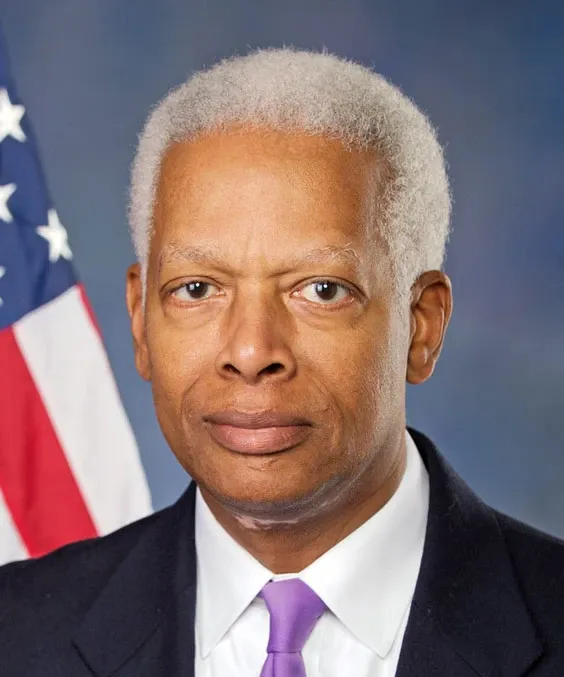
David Albert Scott is an American politician serving as a member of the United States House of Representatives from Georgia's 13th congressional district since 2003. He is a member of the Democratic Party. Throughout his tenure, Scott has focused on issues such as economic development, healthcare, and education, advocating for policies that benefit his constituents in Georgia. He has also been involved in various committees, contributing to discussions on national and local issues.
First of all, Mr. Gensler, let me ask you. I have heard from a few of our market participants that the CFTC's proposed rule on margin segregation is highly problematic, and perhaps unnecessary.
I don't think you can continue to sell yourself out to other nations and expect to be strong economically or militarily.
I believe fundamentally that what has been lacking in the rulemaking process of these agencies is any serious cost-benefit analysis.
This is very frustrating to me, and I think very frustrating to the American people when we are trying to talk about jobs.
We, at least, Congressman, should require that any regulations now in process be subject to cost benefit analysis.
I think that actually the Basel capital rules have much more of an impact on lending decisions of banks than anything, particularly in Dodd-Frank.
Jobs is certainly the priority of our Nation. There are currently 14.5 million Americans out of work.
I think we should be very conservative in the way we implement the Volcker Rule.
Thank you, Mr. Chairman. Dr. Shah, let me first of all commend you and the Obama administration for the very quick response to the situation in Haiti.
I do think that more than anything else this is going to boil down to a jurisdictional fight.
I would encourage this Committee to review this policy in light of the current conditions.
This hearing is not just about H1N1. There are so many other issues that are affecting the pork industry.
I feel that we as Members of Congress need to press United States Trade Representative Kirk and the rest of the Obama Administration to hold these trading partners--and I use the term 'partner' loosely--to hold them accountable for their…
Clearly, if this situation persists, we will lose producers altogether at an ever-increasing rate, which, in my opinion, is an unacceptable outcome.
So, from my perspective, these are all lessons coming out of the failure of those institutions, and, hence, the need for regulators to have clear authority to require changes when necessary in the conduct of a business that is threatening…
The language in the Treasury proposal could be read to force--to force--clearinghouses to treat transactions as fungible, which could have a negative systemic risk implication.
It seems that Treasury intended to give clearinghouses the ability to allow end-users to move swaps transactions from one clearinghouse to another.
Protesters could have made an appointment but chose an ambush instead.
I would say that there is a collective responsibility here in all the regulatory agencies.
Politicians like David Scott