May 17, 2021
The Civilian Climate Corps will prioritize equity and inclusion, help us tackle the climate crisis, put people back to work, and address wildfires in Colorado.
The Public Record
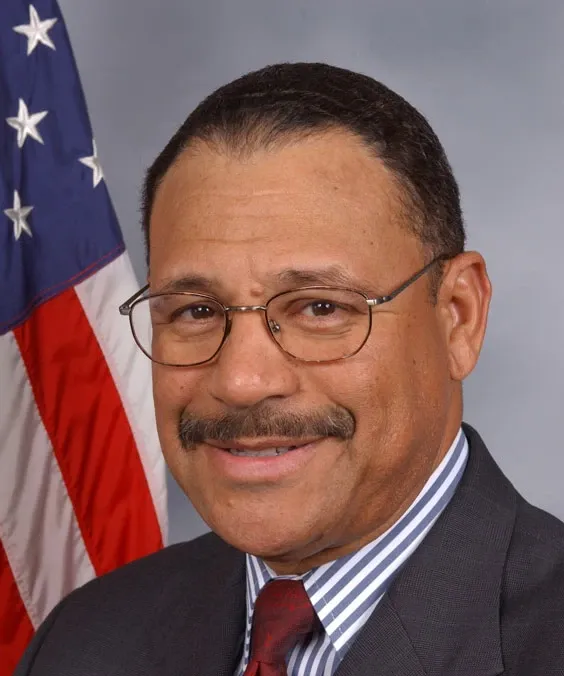
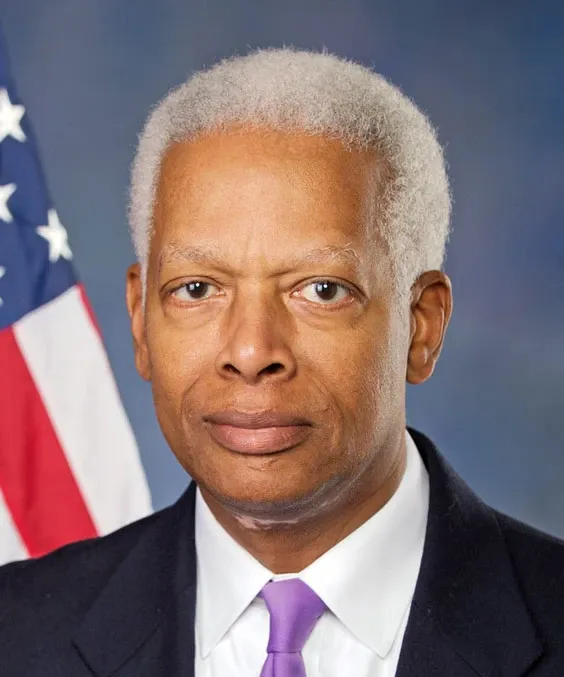
David Albert Scott is an American politician serving as a member of the United States House of Representatives from Georgia's 13th congressional district since 2003. He is a member of the Democratic Party. Throughout his tenure, Scott has focused on issues such as economic development, healthcare, and education, advocating for policies that benefit his constituents in Georgia. He has also been involved in various committees, contributing to discussions on national and local issues.
The Civilian Climate Corps will prioritize equity and inclusion, help us tackle the climate crisis, put people back to work, and address wildfires in Colorado.
Public-private partnerships are essential, as well as with our colleges and universities.
One size doesn't fit all in terms of regional challenges that we face as it relates to our carbon footprint and how we can make efforts.
We need to do a better job--and I have said that to the current Secretary of Agriculture--in making these efforts with the USDA more user-friendly.
Thank you, Madam Chair, for the Subcommittee hearing. This is an important hearing that the Subcommittee is holding looking at title II and exploring smart climate change practices because I believe American agriculture can play and is…
There is now such a huge hole in our regulatory process because of GameStop with inexperienced investors relying on unverified information from unqualified social media.
The question before us today is, how can we on the Financial Services Committee ensure that our investors can both have access to our markets, but also are able to participate in our markets by investing safely?
The surest way for government to help finish the connectivity job is by deepening its partnership with private broadband innovators.
Putting government's thumb on the scale in favor of government-run networks is the wrong approach to universal connectivity.
The goal of connecting all Americans with broadband is commendable and is rightly a bipartisan priority.
And my own personal goal is I believe we can do this by the end of this year.
We have to understand the critical nature that our nation is in with our situation, where our rural communities are not connected to the internet.
If we do not move ahead right now and put together this plan, bring the money in--we brought the experts in to tell us what to do, and what it is going to cost.
With all due respect to our President, to the infrastructure bill, that is wonderful, but that bipartisanship is vital.
Broadband also provides opportunities to help us reach our climate change goals.
Students without access to broadband, or the internet connected devices remote work relies on, were severely disadvantaged in their ability to learn and succeed.
Access to quality high-speed broadband can not only provide rural residents with options for telemedicine, for health care facilities that require access to broadband it also allows for health care facilities to establish their operations…
It's essential we act to finally close the digital divide that has kept so many of our rural communities from reaching their full potential.
We are here in the right place at the right time to be the leaders in Congress to finally make sure that everybody in our nation, including these 24 million in the rural communities, finally have rural broadband internet connections.
24 million of our American citizens, 24 million in our rural communities have no access to the internet at a time when it is critical.
Our rural communities have waited long enough. We want to be that galvanizing force to say let's do it now without delay.
I want to make it clear how important this is, and this is a number one issue facing our Committee.
Thank goodness for Joe Biden and Kamala Harris, because at the end of the Trump Administration, we lost, initially, 21 million jobs.
Politicians like David Scott