Jul 7, 2024
We believe the Agency's data needs are such that an additional comment period extension is warranted.
The Public Record
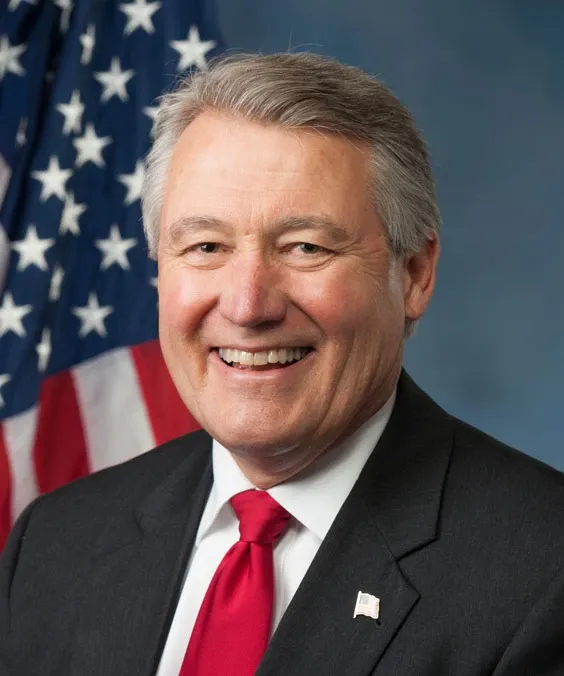
Austin Scott is a Republican member of the United States House of Representatives, representing Georgia's 8th congressional district since 2011. Throughout his tenure, he has served on various committees, focusing primarily on agricultural issues, which are vital to his district's economy. Scott has been an advocate for policies that support farmers and promote rural development in Georgia. He has also been involved in efforts to preserve historical sites within the state, emphasizing the importance of protecting Georgia's rich cultural heritage.
We believe the Agency's data needs are such that an additional comment period extension is warranted.
I couldn't agree with you more about our financial system and our economy being a big part of our national security.
Programs such as H-2A are critical for many farmers in my district, but they need reforms to become more widely-used by American farmers.
Many farmers are forced to compete with foreign-subsidized imports, causing a large decrease in the market value of many seasonally-grown commodities.
It is also imperative that we strengthen risk management options such as Agriculture Risk [Coverage] (ARC) and Price Loss Coverage (PLC).
I have continuously heard from my farmers that it is crucial we increase reference prices for Title I commodities in the next farm bill.
I think this was something that I am baffled that we can't, in a bipartisan manner, stop the destruction of the forest land with subsidies. It is not a square deal for the environment.
It is a ridiculous waste of taxpayer money to give subsidies to destroy our forest land.
I think Kevin recognizes that nobody can make their demands. And the conference is going to have to figure out how we -- how we deal with, you know, eight people that are here that candidly aren't interested in governing. They're more…
I just wondered if you might have any access or idea of how quickly they are approved, and how are we verifying...
This farm bill is not a nutrition bill, and that there is more to be discussed than just SNAP programming.
We micromanage everything that our school nutrition people can serve our kids, as if that is the problem with their health.
It bothers me--as a parent, I walk in the grocery store, I see things that I buy for my family that can't be bought with SNAP benefits.
The evidence is very clear. The majority of Americans think able-bodied adults without children should have to work, or seek work, or get the training to get a job.
One party in this country doesn't own compassion, and one party in this country doesn't own the willingness to give the shirt off your back for your neighbors that are in need.
What baffles me with the whole system--my school nutrition people--we micromanage everything...
I find myself pretty skeptical of that argument, that inaction is what the day calls for.
I want to thank the Chairman for putting this together, because I know some others were saying that we have hit on this pretty hard.
I have a tremendous amount of faith in your leadership and your ability to advise us as we push forward on this.
Yes. I guess one of the questions I have is, as we identify, of the 20,000, which ones are, for lack of better terminology, of the regulatory framework?
Politicians like Austin Scott