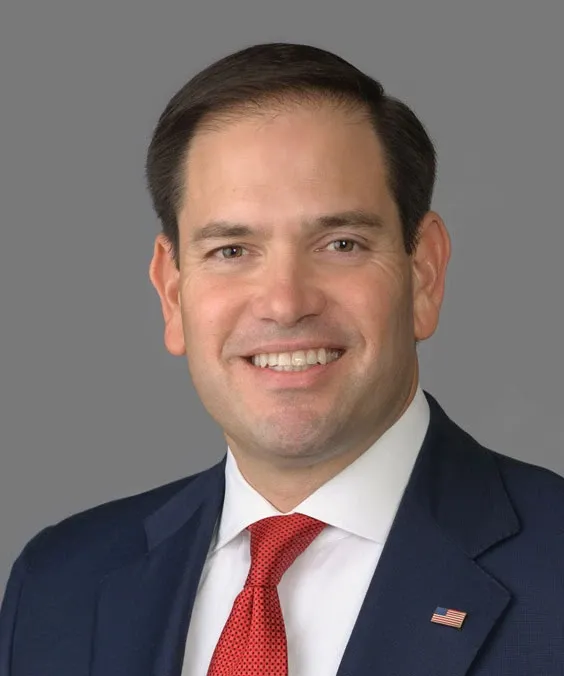
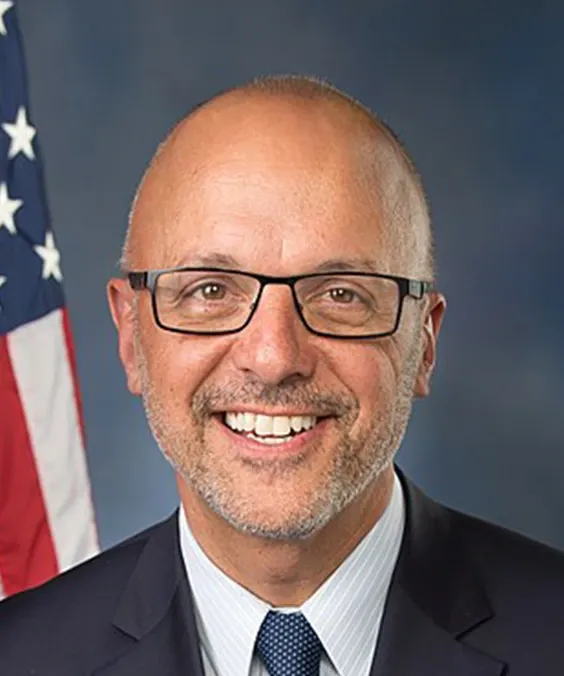
Ron DeSantis
The Public Record
Ron DeSantis is an American politician currently serving as the Governor of Florida. A member of the Republican Party, he has been in office since January 2019. DeSantis previously served as a U.S. Representative for Florida's 6th congressional district from 2013 to 2018. His tenure as governor has been marked by a focus on conservative policies, including education reform, environmental issues, and responses to the COVID-19 pandemic. DeSantis has gained national attention for his stances on various issues, including his support for the Trump Presidential Library in Miami and his administration's initiatives on wildlife management.
Dec 16, 2015
We just saw, recently, two refugees linked to the Paris attack were arrested in an Austrian refugee camp.
Dec 16, 2015
The fact is, that those 66,000, when we got the individual offenses, you did have people convicted of homicide that were released.
Dec 9, 2015
We will be doing a hearing on the various visa programs, and I think that that will obviously be one that will be grist for the mill.
Dec 9, 2015
We passed a bill this week. That does not--that bill may be a first step, but that does not solve all the problems, correct?
Dec 9, 2015
So you have confidence in it now, unlike Secretary Napolitano did not have confidence, you think now, standing here today, that the system is good and trustworthy?
Dec 9, 2015
Somebody in a place like Molenbeek, they can basically, even under this bill, they're still going to be able, if they have a passport, to come to the United States.
Dec 8, 2015
There has been no extradition for terrorists like Joanne Chesimard, who remains on the FBI's Most Wanted Terrorists list.
Dec 8, 2015
I think we can see now that these were essentially a list of unilateral concessions that really represent an unprecedented surrender to an anti-American regime that continues to oppress its own people.
Dec 1, 2015
I think our rules of engagement have been problematic for quite some time predating this administration, but this is just totally farcical.
Dec 1, 2015
When you have very restrictive rules of engagement, you rely on having all this wonderful intelligence.
Dec 1, 2015
If you are engaged in a stabilization, counterinsurgency-type mission, and you have these ridiculously restrictive rules of engagement, you are going to lose.
Dec 1, 2015
I think we have had rules of engagement that have just been too restrictive from the very beginning.
Nov 16, 2015
I think the concern, though, is that you can do everything right, but given the lack of data, the lack of information we have on people who are being pulled out of a very, very difficult circumstance, essentially an Islamic civil war, that…
Nov 5, 2015
This idea that if you just make concessions to the Castro brothers, we are going to be able to turn the page has been proven wrong.
Nov 5, 2015
If you are harboring a terrorist, what is the evidence to then remove the regime from the list of terrorist-sponsoring country?
Nov 5, 2015
Has there been any commitment to extradite her to the United States so she can face justice?
Nov 5, 2015
I, as well as the chairman of this committee, stands forthrightly behind the people of Venezuela who are being oppressed by the Maduro government, a thuggish socialist dictatorship.
Nov 5, 2015
With policy toward Cuba, it has got to be focused, to me, on two things: standing with the Cuban people against the Castro regime and then what is in the best interest of the United States.
Nov 5, 2015
How is that advancing the rule of law if we are legitimizing a government simply taking somebody else's property outside the constraints of a legal and democratic system?
Nov 5, 2015
The embargo was instituted in response to all the property seizures that the regime had done.
Nov 5, 2015
When you are changing a policy, are you making it easier for the Cuban people to leverage a democratic transition?
Nov 5, 2015
We must have a policy that supports the aspirations of the Cuban people, not the needs of the Castro regime.
Politicians like Ron DeSantis