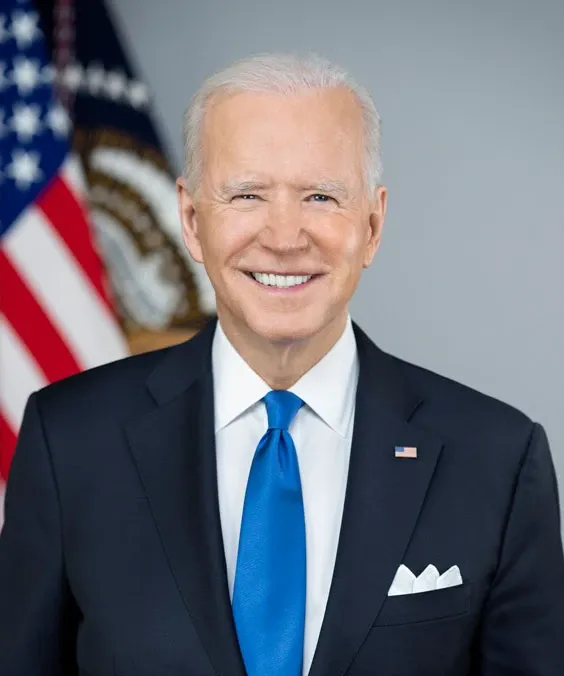
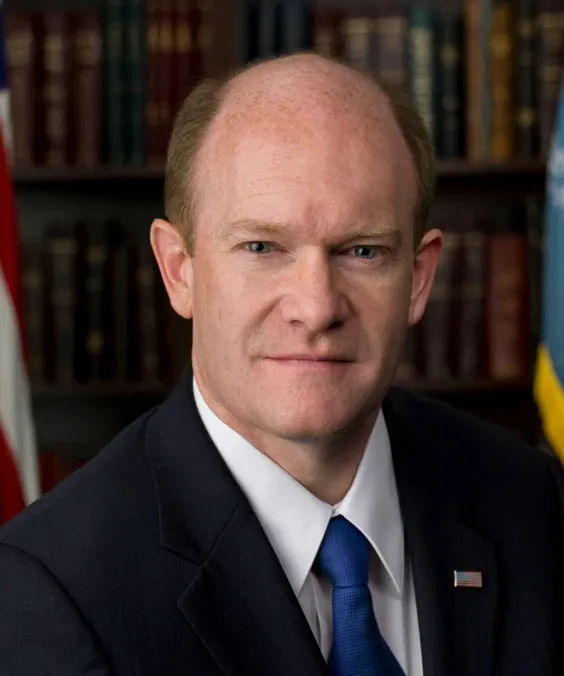
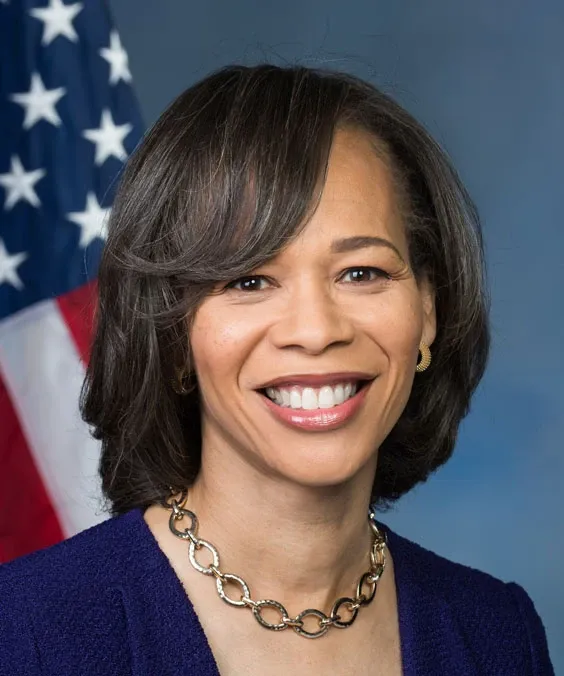
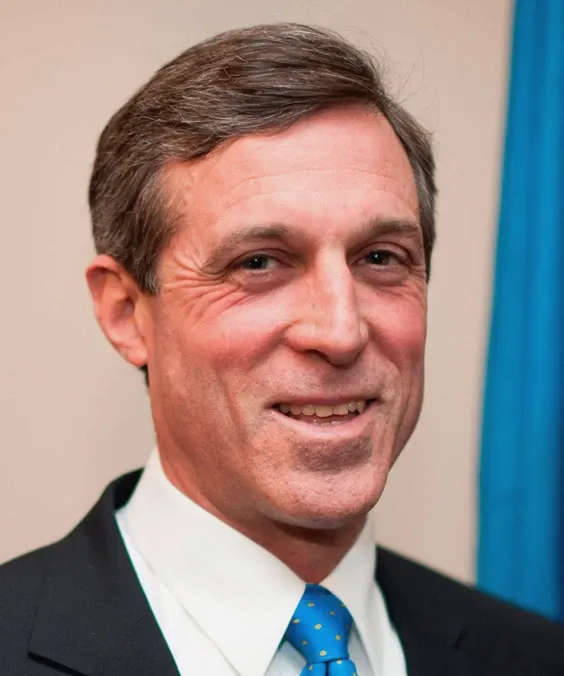
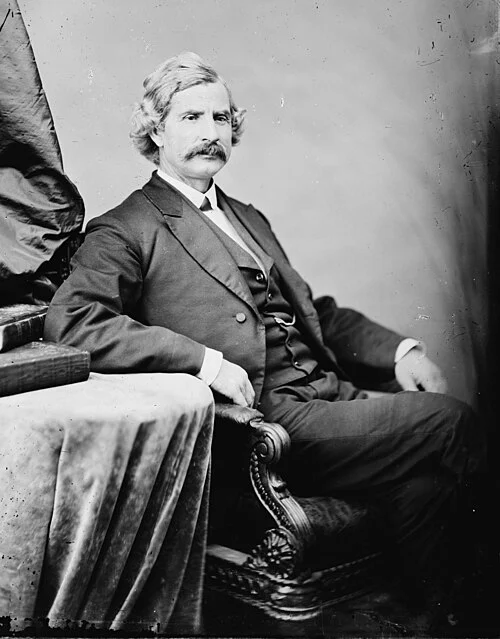
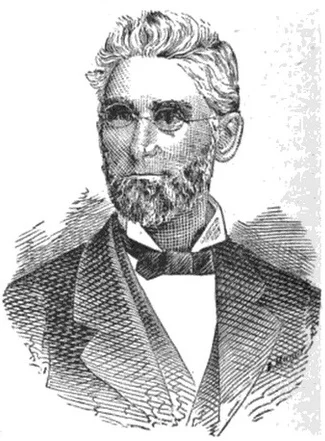
Tom Carper
The Public Record
Tom Carper is an American politician currently serving as the senior United States senator from Delaware, a position he has held since January 3, 2001. A member of the Democratic Party, Carper has focused on various issues including healthcare, environmental protection, and fiscal responsibility throughout his career. He previously served as the Governor of Delaware from January 21, 1993, to January 2, 2001, and as a member of the U.S. House of Representatives from January 3, 1983, to January 21, 1993.
Sep 13, 2023
I do not like to waste my money. I do not like the waste of the taxpayer money.
Sep 13, 2023
Any time. Thank you for those very thoughtful questions and good responsive answers.
Sep 13, 2023
If I could interrupt for just a moment. I am going to Chair this Committee for just a little while.
Sep 12, 2023
I have had the privilege of representing Delaware, which is about 90 minutes away by train from Wilmington to Washington.
Sep 12, 2023
We need to break those patterns that we have been locked into and be strategic and thoughtful how we do so.
Sep 12, 2023
We really need to work on interagency cooperation between all of our Federal programs.
Sep 12, 2023
I am told that something like 30 percent of the greenhouse gas emissions that we are creating in this country comes from the cars, trucks, and vans that we drive.
Sep 12, 2023
That does not diminish at all the importance of this hearing, so we are deeply grateful for your participation.
Sep 12, 2023
I am going to telegraph a pitch. I have a couple of questions to ask of you.
Sep 12, 2023
I think agencies like NOAA, like the CDC and others can be very helpful in building heat literacy at the local level.
Sep 12, 2023
This summer's widespread extreme heat has been really staggering, including a month... of temperatures over 110 degrees in your own city of Phoenix.
Sep 12, 2023
Both of you mentioned the PROTECT Program that we created in Congress in the Bipartisan Infrastructure Law.
Sep 12, 2023
I am proud that our Committee has played a leading role in the enactment of the Bipartisan Infrastructure Law and the Inflation Reduction Act.
Sep 12, 2023
As I have said more than a few times in this room, climate change is an issue we can no longer afford to ignore.
Sep 6, 2023
Members of this Committee are very proud of the work that we have done on infrastructure for our country.
Sep 6, 2023
Categorical grants from Congress make up 25 percent of my entire operating and staffing budget.
Sep 6, 2023
Thank you for your leadership on these issues and your leadership on the Subcommittee you chair.
Sep 6, 2023
We are trying to change the narrative, change the culture where it is a true profession, it is a great, noble profession.
Sep 6, 2023
The Bipartisan Infrastructure Law provided more than $55 billion for drinking water and wastewater improvements, the largest investment in our Nation's history.
Politicians like Tom Carper