Apr 21, 2010
A year ago, our GDP was down by 6 percent. The last quarter we reported on, it was up by 6 percent.
The Public Record
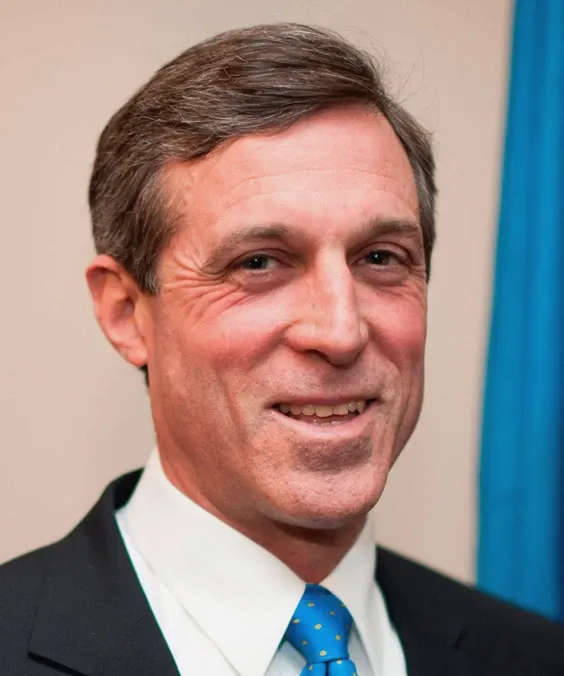
Tom Carper is an American politician currently serving as the senior United States senator from Delaware, a position he has held since January 3, 2001. A member of the Democratic Party, Carper has focused on various issues including healthcare, environmental protection, and fiscal responsibility throughout his career. He previously served as the Governor of Delaware from January 21, 1993, to January 2, 2001, and as a member of the U.S. House of Representatives from January 3, 1983, to January 21, 1993.
A year ago, our GDP was down by 6 percent. The last quarter we reported on, it was up by 6 percent.
I have to tell you, I do not always agree with the IG, but in this case, I am 100 percent behind him.
We have got to have some creative thinking as you downsize to meet the demands of First-Class Mail.
Even the Troubled Asset Relief Program (TARP) money... is actually being repaid.
Is that a live option? Is there anything to it? Yes or no, what do you think?
I think we have talked about this before, but have you given any thought in your discussions with the auto companies...
I think one of the things that is misunderstood is this whole notion of access.
Our economy was shedding 600,000 jobs a month, and last month I think we added about 150,000 jobs.
When 70 percent of the American public consistently in surveys... say that makes sense as a way to go to change a service
The wind does not always blow. We are looking off the shore of Delaware to deploy a windmill farm in about 2 years.
We are very much engaged, though, in looking at what we use our vehicles for and what might be appropriate.
And if you go back 10 years, 8 to 10 years ago, how many full-time employees did you have?
I just want to say to Mr. Chairman and to Pat Leahy and Jeff Sessions, the Chairman and full Committee and the Ranking Republican and to your staffs how much we appreciate the expedited consideration of this nomination.
I just want to say how pleased and really honored I was to present to the President the names of three superbly qualified Delawareans for him to consider for this judicial appointment.
The President has made I think a very wise choice in nominating our U.S. Magistrate, Leonard P. Stark, for a seat, bar seat on the U.S. District Court in Delaware.
I think I'd like to start off my hearing by singing a verse of Oh, Our Delaware.
I once had the misfortune of following Maya Angelou as a commencement speaker at the University of Delaware several years ago when I was Governor.
I have been a strong champion here in the Senate of the Department of Justice efforts to root out the fraud that contributed to our financial crisis and bring those responsible to justice.
The road ahead in Afghanistan won't be easy. It is an important road for us to travel. It is not one we have to travel by ourselves. A lot of other nations are involved in this with their time, their treasure, and their people. We need the…
Politicians like Tom Carper