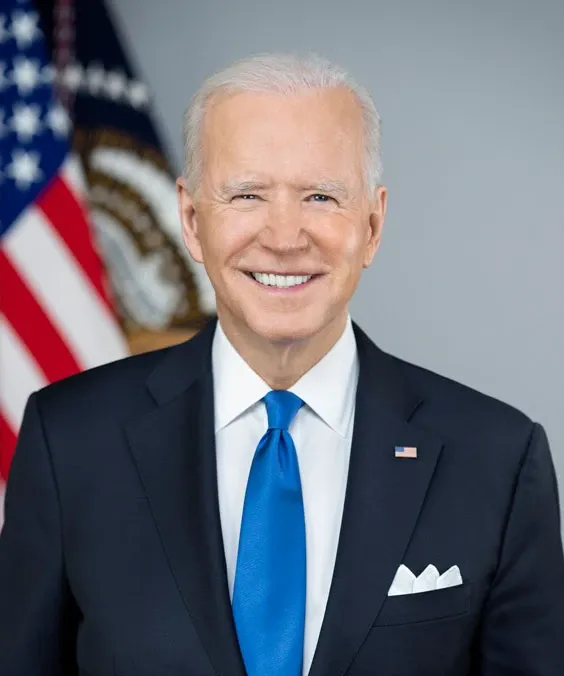
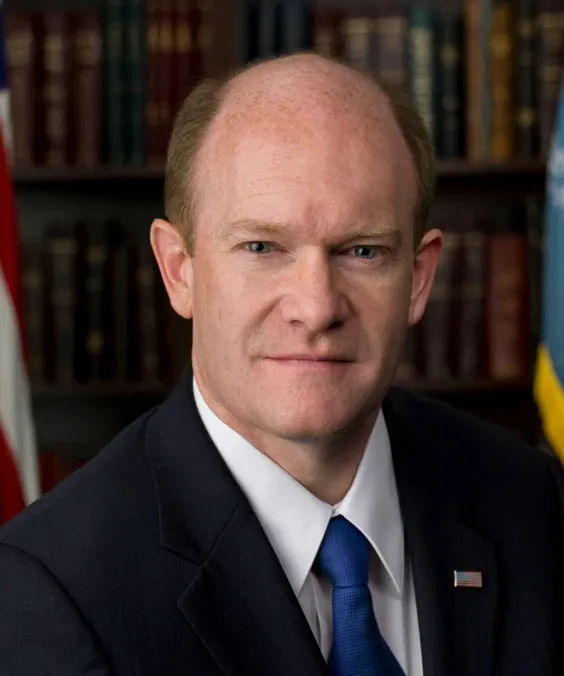
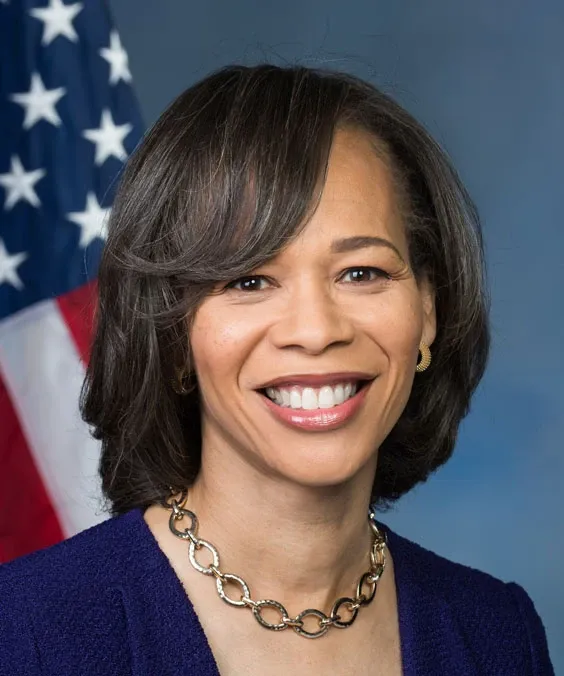
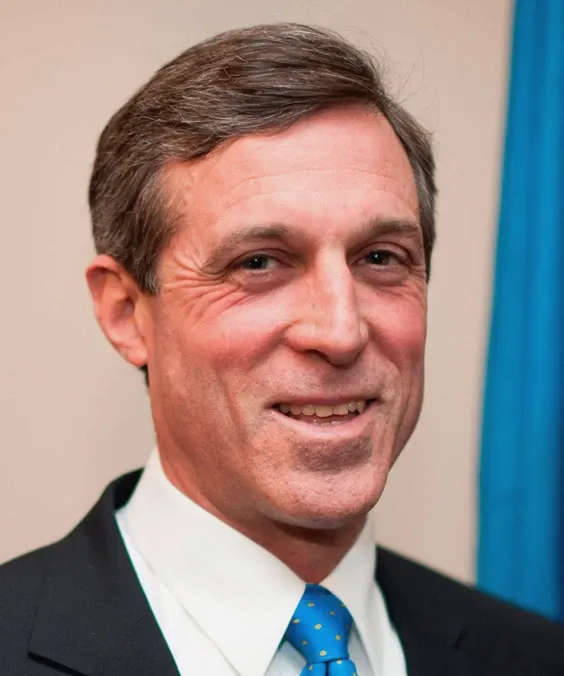
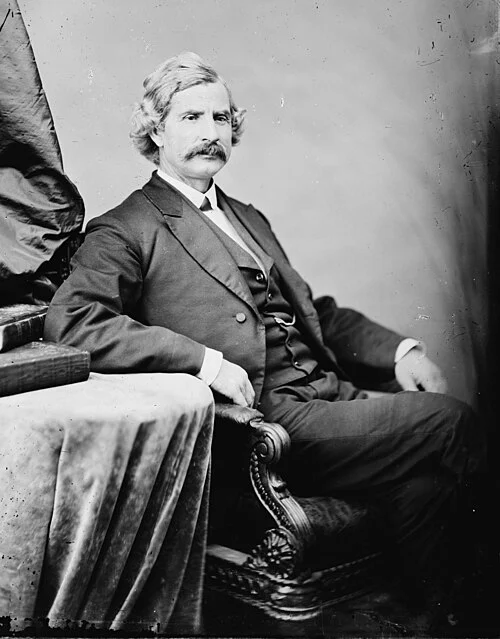
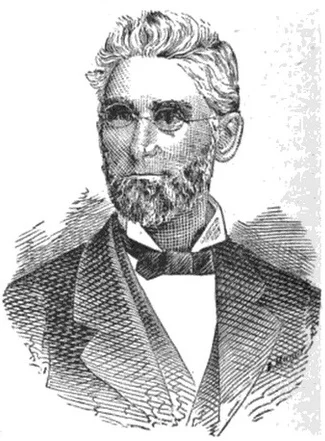
Tom Carper
The Public Record
Tom Carper is an American politician currently serving as the senior United States senator from Delaware, a position he has held since January 3, 2001. A member of the Democratic Party, Carper has focused on various issues including healthcare, environmental protection, and fiscal responsibility throughout his career. He previously served as the Governor of Delaware from January 21, 1993, to January 2, 2001, and as a member of the U.S. House of Representatives from January 3, 1983, to January 21, 1993.
Apr 26, 2010
They were under a lot of pressures in order to keep market share and in order to keep their business alive, so, therefore, they had to rate competitively against the other rating agencies.
Apr 26, 2010
I think the rating agencies worked very hard and were under a lot of pressure to analyze the pools that they were rating.
Apr 21, 2010
I am proud to be an original cosponsor of Senator Kaufman's Pre-Election Presidential Transition Act.
Apr 21, 2010
I believe there is still room for improvement in the nomination and confirmation process.
Apr 21, 2010
Hopefully our Good Earth will be around 10 years from now and so will the Postal Service.
Apr 21, 2010
Thank you, Mr. Chairman, for your foresight and leadership in holding this hearing.
Apr 21, 2010
I do not think we actually calculated or miscalculated what the Postal Service owes, but somebody has, and maybe it is OPM.
Apr 21, 2010
I think Mr. Williams makes a good case in his testimony that Congress and OPM have done the Postal Service and its customers a disservice over the years in miscalculating what the Postal Service owes the Federal Government to care for…
Apr 21, 2010
It would be less than $1 billion a year, so in terms of contributions it could make, it would not close the gap as significantly as eliminating Saturday.
Apr 21, 2010
It's maybe the most conservative approach I have ever seen, pre-funding the health obligations of an employer in this country, private sector or public sector.
Apr 21, 2010
I presume it would not be close to $3 billion, but would it be $1 or $2 billion? Any idea?
Apr 21, 2010
When the wind is blowing we need the ability to store the electricity when we have more than we can use.
Apr 21, 2010
I know you all are looking at some different options with respect to vehicles in the future.
Apr 21, 2010
I think they came up with 70 recommendations to the Congress and to the President that they developed in that period of time.
Apr 21, 2010
To me the basic premise has been that the Postal Service is supposed to be self-financing.
Apr 21, 2010
Maybe we ought to allow them to raise rates to meet the needs of their revenue stream.
Apr 21, 2010
The Postal Service Board of Governors proposed going from 6- to 5-day delivery, because we believe that delivery has to be able to pay for the amount--the frequency that we provide.
Apr 21, 2010
The financial health of the Post Office has to be a consideration as you move forward.
Apr 21, 2010
The business model is broken. The generation below me does not want you, does not use you, does not need you.
Politicians like Tom Carper