having the wherewithal and the talent to be able to put together those kinds of packages could facilitate the disposal process.
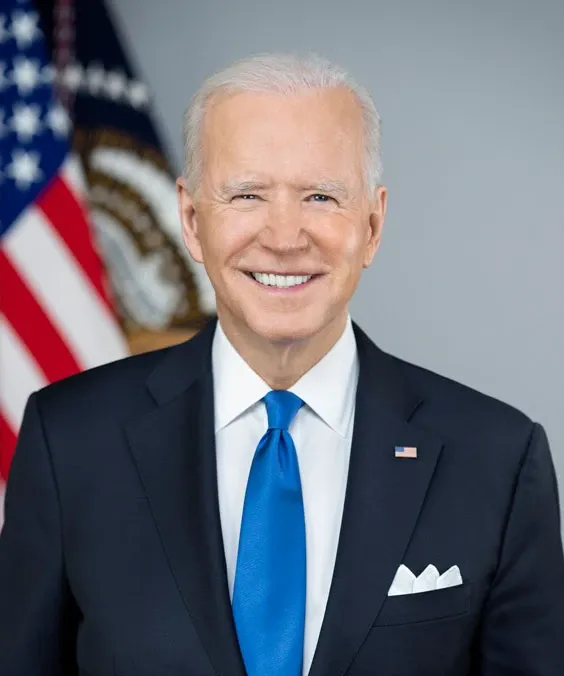
Tom Carper
The Public Record
Tom Carper is an American politician currently serving as the senior United States senator from Delaware, a position he has held since January 3, 2001. A member of the Democratic Party, Carper has focused on various issues including healthcare, environmental protection, and fiscal responsibility throughout his career. He previously served as the Governor of Delaware from January 21, 1993, to January 2, 2001, and as a member of the U.S. House of Representatives from January 3, 1983, to January 21, 1993.
the needs of homeless members of a given community must be considered in disposing of the base property.
I think you were quoted, Mr. Werfel, in maybe it was before a House Committee, the House Transportation and Infrastructure Committee--I think it says you stated that a Civilian Property Realignment Board could save the Federal Government…
I want us to hit rewind and go back about 3 or 4 minutes to the exchange between Ms. Foscarinis and Senator Coburn.
This is one I want us to resolve in this Congress and am determined to do that.
We need to look to the needs of the least of these, but we need to do that in a cost effective way.
I have always said to the folks in Central and Southern Delaware, BRAC can be our friend.
I am determined that we are going to make real progress and am happy to have an Administration that shares that conviction.
I think it is an imperative that goes beyond fiscal stewardship, fiduciary responsibility. I think it is almost like a moral imperative, as well.
good to be with you again. I spent most of the morning with you and now part of the afternoon. This is a difficult issue for a number of us in the Senate because we have friends on both sides of this issue. It is also a difficult issue for…
we could create a situation where the various agencies might be bidding for certain talent against each other.
When we look at the potential source of savings, one, we can save money by getting properties off the books, and if we can sell them for a few dollars, so be it.
The value of transparency, the value of openness, the value of all opportunities for people to be heard is terribly important.
Our main emphasis around the release of those 14,000 assets is a few things. It is, one, it is transparency to make sure that the public is holding us accountable to get rid of them.
What other approaches did you consider and why did you settle on this BRAC-like approach?
I think we are going to make some progress here at last and I thank you for your work in all those vineyards and for being here today.
EPA is doing the right thing when it puts limits on the largest sources of mercury and other air toxics.
Would you be willing to spend $2 a month to keep your kids from suffering from asthma attacks or neurological damage from mercury exposure?
That is why I have worked hard with my colleagues, Democrat and Republican alike, to make sure that all of our children have clean air to breathe, that is free of all types of air pollution.