Jan 20, 2015
Having more thorough, more broad knowledge of the prior military dimensions... are critical.
The Public Record
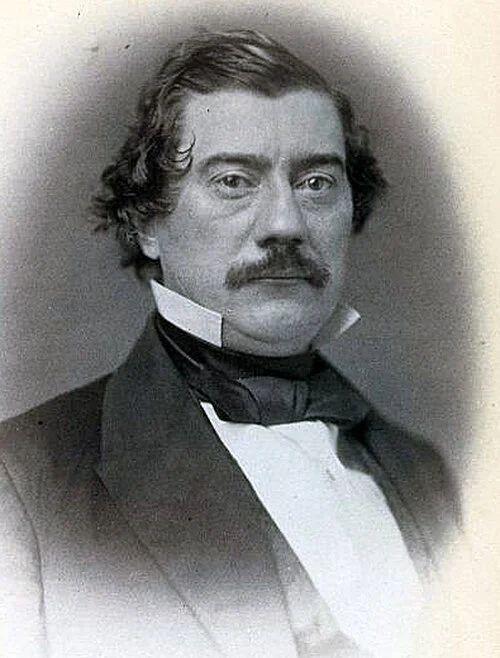
Chris Coons is a United States Senator from Delaware, serving since 2010. A member of the Democratic Party, Coons has been involved in various Senate committees, focusing on issues such as foreign relations, judiciary matters, and small business. He is known for his advocacy on topics including military policy and legal transparency in government actions. Coons has also been active in promoting bipartisan efforts in the Senate.
Having more thorough, more broad knowledge of the prior military dimensions... are critical.
We need to have an agreement that puts Iran on a political track where they never revisit that decision.
The core issue is political. As the DNI says, Iran's nuclear future is a political decision, not a technical one.
The purpose of that strong bipartisan vote and enactment by Congress was to ensure that Congress has the opportunity to weigh in.
I agree with you that a lack of clarity on exactly how U.N. sanctions would be restored... is one of the, I think, key unresolved questions about snapback for the U.N. sanctions.
I think this is critical for the Foreign Relations Committee, its members, and the rest of the Senate, to be well-informed.
If it is a problem that Iran is 2 months away from a nuclear weapon today, I do not know how we can be comfortable with an agreement that allows them to be in that position in 10, 12, or 15 years.
So what we have heard, I think, from Senators on both sides of the aisle in these hearings is that distrust but verify is probably a better watchword for our negotiations with them.
Thank you, Chairman Corker and Ranking Member Cardin, for holding not just this hearing but a whole series of very valuable hearings.
Any agreement is based upon our willingness to use military force to stop Iran from trying to achieve a breakout capability.
No nuclear agreement is better than one that might push back by some months Iran's ability to break out a weapons capability.
Having invested billions of dollars through PEPFAR in what is understood as the fight against HIV/AIDS, we have also strengthened health systems in dozens of countries.
We cannot as a country go back to the sidelines and watch these already impoverished and unstable countries fall apart.
Thank you for showing an unusual interest in what actually is done by Members of the U.S. Senate.
Thank you for your leadership, and thank you for the opportunity to continue to work in partnership as we invest in sustaining the recovery of your nation.
I want to make sure... that we are providing the right resources both to meet the emergency...
It is indeed our hope and our prayer that in our emergency response we are focused on building sustainably very strong public health systems in the three most directly affected countries and across the region.
As Senator Durbin said to me, when we roll up a major intervention... sometimes we look at what are we leaving behind.
It is because the United States stepped in, and at the scale we did, that progress has been made in combating this terrible disease.
Do you believe these additional benefits would buttress the OLC analysis that the President is in compliance with his obligation to take care that the laws are faithfully executed?
I would like to thank you and Chairman Leahy for convening this important hearing.
Politicians like Chris Coons