Jan 20, 2015
I expect that we will work on a relentless and bipartisan basis to ensure that our allies understand that we intend to continue to enforce sanctions against Iran's ongoing bad behavior in the region.
The Public Record
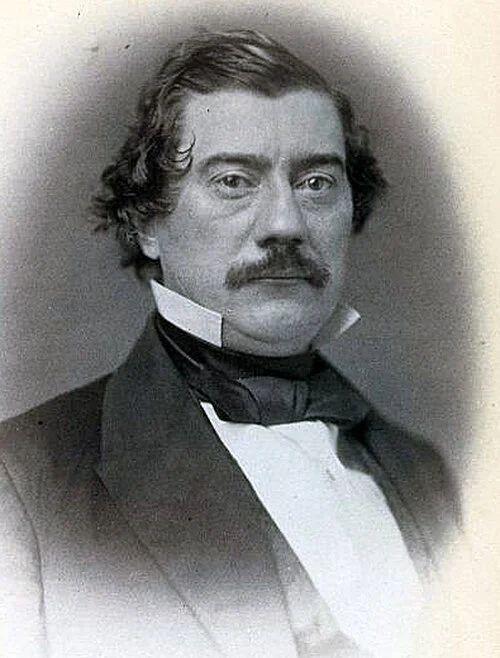
Chris Coons is a United States Senator from Delaware, serving since 2010. A member of the Democratic Party, Coons has been involved in various Senate committees, focusing on issues such as foreign relations, judiciary matters, and small business. He is known for his advocacy on topics including military policy and legal transparency in government actions. Coons has also been active in promoting bipartisan efforts in the Senate.
I expect that we will work on a relentless and bipartisan basis to ensure that our allies understand that we intend to continue to enforce sanctions against Iran's ongoing bad behavior in the region.
I think we have to continue and increase our interdiction both of weapons flows and capital flows going to terrorist proxies in the region.
I think tireless work with our P5+1 partners as well, as well as continuing to enforce what sanctions authorities we have and extend them as a key piece of this.
In January many Members of Congress will call for the swift renewal of the Iran Sanctions Act, which expires at the end of 2016
If we take our eye off this ball, if we fail in any way to relentlessly enforce what we have got in terms of both U.S. unilateral and multilateral abilities to constrain Iran's actions, they will take that as a clear signal that we have…
My willingness to support the JCPOA was rooted in a clear-eyed commitment to holding this administration and the next accountable for active enforcement of the JCPOA
I think somebody used it, this permissive environment that we have created, which we acknowledge that Iran is going to continue a program of nuclear development, ballistic missile development regardless of the consequences.
When the United States steps up, acts with determination, it reassures our allies.
When they are frightened, they get aggressive, and they do not get aggressive in a good way.
I fear that it is going to require the United States actually stepping up and pushing back on the Iranians.
These kinds of actions by Iran would spur a reaction by our allies in the region, who consider Iran their chief rival.
With the removal of the ban on Iran exporting arms, Iran is going to face fewer impediments to arming those proxies.
Iran's nuclear ambitions are not separate from but, in my view, are part and parcel of its larger regional strategy.
I think we should take the Iranians at their word. They are going to support their proxies and allies.
I think they are vitally important, and I would associate myself with the previous conversations about the IAEA.
I believe we will retain the Germans, the French, and the Brits in a transatlantic sanctions regime.
The snapback sanctions that we can effect through the U.N. Security Council, are they the broad, sweeping financial sector sanctions that we worked on together that brought Iran to the table, or are they a paler version of that?
A nuclear-armed Iran would threaten our national security, our vital ally, Israel, and the stability of the entire Middle East.
What he meant was 8 years from now we would have the opportunity to weigh in because that is what is stated in the agreement.
Unfortunately the executive branch went directly to the United Nations this Monday morning, something that certainly was not in the spirit of this.
We would not be here today, we would not have the information that we have today, if we had not passed the Iran Nuclear Agreement Review Act.
Politicians like Chris Coons