Mar 18, 2015
We have to have, and we will have for there to be any agreement, the most exceptional intrusive monitoring.
The Public Record
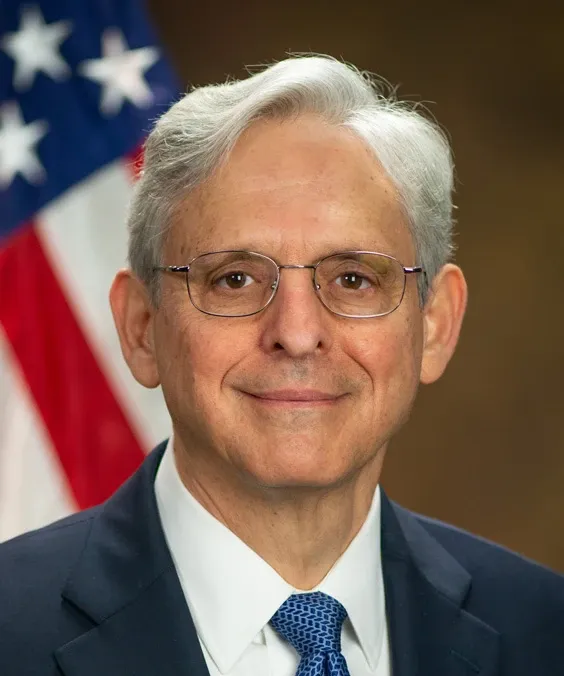
Antony Blinken is the 71st United States Secretary of State, having been appointed by President Joe Biden in January 2021. A member of the Democratic Party, Blinken has played a significant role in shaping U.S. foreign policy, focusing on issues such as international alliances, climate change, and global security. He previously served as Deputy National Security Advisor and Deputy National Security Advisor during the Obama administration, where he was involved in key diplomatic initiatives, including the Iran nuclear deal.
We have to have, and we will have for there to be any agreement, the most exceptional intrusive monitoring.
Congress will have a vote and, indeed, keeping that Sword of Damocles hanging over the heads of the Iranians.
We are not interested in sanctions that are hurting the Russian economy for the sake of sanctions.
We have to go through Russia in the Sanctions Committee of the United Nations Security Council.
We still believe that there have to be areas of tactical cooperation that we maintain.
The United States will stand with Israel. We will defend it, and we will challenge every instance of unfair treatment throughout the United Nations.
Congress has to play a central role, if we get to an agreement, to make sure that Iran lives up to its commitments.
the Americans who are detained illegally, erroneously, wrongly by Iran need to be released irrespective of these negotiations
I think that what I heard Senator Menendez say and then Senator Schumer say--not having seen the letter, I would not want to comment on it in detail.
There are different groups. There are different camps. There are lots of people who do not want an agreement under any terms.
First, in terms of what we are concerned about, we are most concerned about what our partners think, not what Iran thinks.
We have worked with Congress in these sanctions to ensure that as the sanctions are enacted and as they are applied, we do it in a way to hold together the international coalition.
Does any program that Iran has at the end of this--at the end of any agreement, does it allow it as a practical matter to break out to get enough material for a nuclear weapon?
Congress has played a critical and indeed lead role getting us to where we are.
the President has been clear that the United States will do what it must to prevent Iran from acquiring a nuclear weapon.
If Congress had been asked to vote on the interim agreement... many Members... might have voted it down.
we are not chasing any deals. In fact, if we had been chasing a deal, we could have taken a deal months ago.
We will not take a bad deal, precisely because we share your concerns and share your suspicions.
I am very glad you are wielding the gavel, not the hammer, but very much look forward to working with you.
Before the JPOA, inspectors had less frequent access to Iran's nuclear facilities. Today, under the JPOA, it has enabled IAEA inspectors to have daily access.
I think the willingness of other countries to continue to work with us on imposing sanctions... is dependent on their continued belief that we are seeking a negotiated resolution.
Mr. Blinken. Mr. Chairman, Ranking Member Menendez, thank you very much for having us here today.
Politicians like Antony Blinken