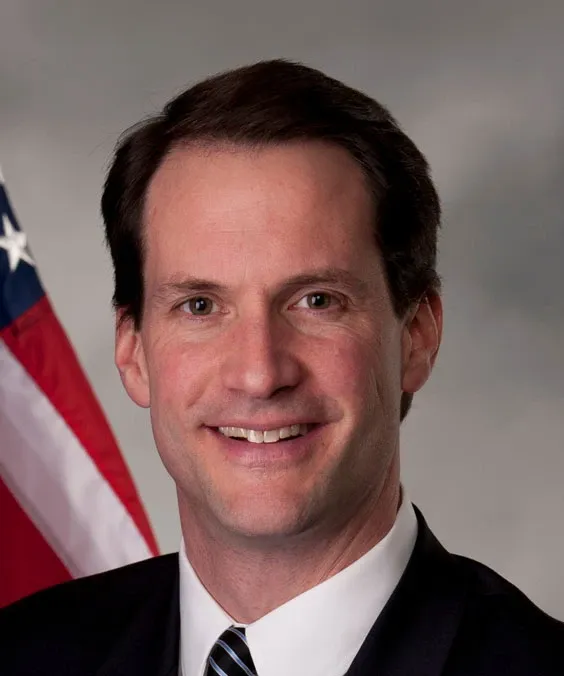
Joe Lieberman
The Public Record
Joseph Lieberman is an American politician and attorney who served as a United States Senator from Connecticut from 1989 to 2013. Initially a member of the Democratic Party, he gained national prominence as the party's nominee for Vice President in the 2000 election alongside Al Gore. After losing the election, Lieberman continued to serve in the Senate, where he became known for his centrist views and willingness to cross party lines, particularly on issues such as national security and energy policy.
Feb 1, 2010
I have serious concerns about the impact of the repeal of the law on a force that's fully engaged in two wars.
Feb 1, 2010
The President has been consistently clear, that he supports repeal of this policy.
Feb 1, 2010
If Congress adopted a moratorium on enforcement of DADT or adopted repeal and the President signed it, that you would carry out those laws?
Feb 1, 2010
This is the beginning of a turn-the-momentum-against-the-Taliban operation that will presumably go from Marja in Helmand Province into Kandahar.
Feb 1, 2010
In light of these recent requests for Land Warrior systems, is it fair to conclude that the Army prematurely terminated this program?
Feb 1, 2010
We will work to find the right balance between an Army that we can afford and an Army that is able to meet the Nation's demands.
Feb 1, 2010
I would assume that, at least in part, those have to be coordinated or referenced.
Feb 1, 2010
What mattered most was not how a member of the military lived his or her private sexual life, but that they were prepared to risk their lives in defense of our country.
Feb 1, 2010
I opposed the DADT policy when it was created by this committee in 1993 and I remain opposed to it today.
Feb 1, 2010
Am I correct, just to ask the question and get it on the record, that your judgment as advised by counsel is that it requires an act of Congress repealing DADT for the actual policy itself to be ended in the military?
Feb 1, 2010
I think this is a very good budget. Obviously, we'll go over it in a series of subject matter hearings, but I think it meets the needs of our military within the resources that we have.
Feb 1, 2010
There is a kind of increasing military connection in a very positive sense between ourselves and our allies there.
Feb 1, 2010
If Iran goes nuclear, it greatly strengthens their terrorist proxies, including some that have killed a lot of Americans in Iraq and are causing some trouble in Afghanistan.
Feb 1, 2010
It's good. It is with great appreciation that I accept the higher wisdom of the chairman of the committee.
Feb 1, 2010
I have long argued that our principal mission in Afghanistan should be training the Afghan security forces so they can take responsibility for the security of their country.
Feb 1, 2010
I am somewhat more optimistic than I was after my last visit in September that the fully-resourced, counterinsurgency strategy announced by President Obama is the right strategy and is starting to take hold.
Feb 1, 2010
I believe these are all important elements of a sound missile defense policy.
Jan 20, 2010
I think the more explicit we are about it the clearer it's going to be and the better off we're going to be.
Jan 20, 2010
DOD's approach to the threat of servicemembers who adopt a violent Islamist extremist ideology needs to be revised.
Jan 20, 2010
I think that a more focused approach, an open approach on Islamist extremism, will protect the overwhelming majority of Muslim Americans serving in the military.
Politicians like Joe Lieberman