I mean, the fact is, as I think your testimony elicits today, is that when the sequestration was actually first designed in 1985, I mean, because that is really the formula that we are operating under, is the Gramm-Rudman-Hollings design…
Joe Courtney
The Public Record
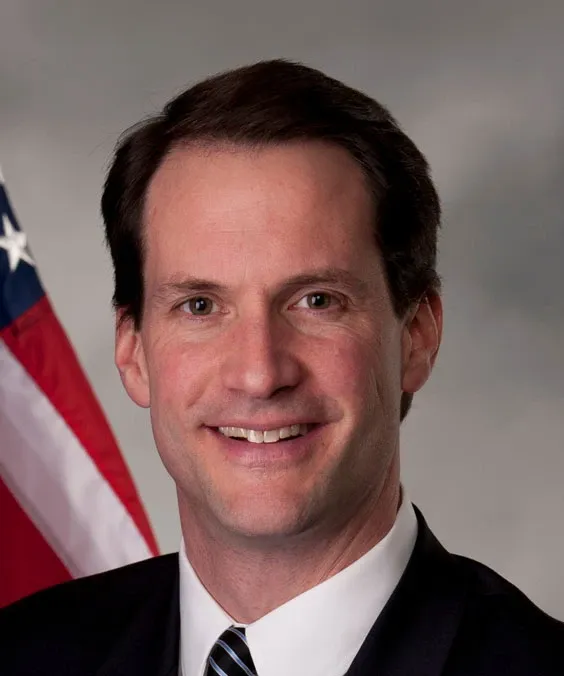
Joe David Courtney is a U.S. Representative for Connecticut's 2nd congressional district, serving since January 4, 2007. A member of the Democratic Party, he has focused on issues such as education, healthcare, and veterans' affairs during his tenure. Courtney has been an advocate for policies that support working families and has worked on initiatives to improve infrastructure in his district. He has also played a role in discussions surrounding military and defense matters, given the presence of military installations in Connecticut.

It has not gone unnoticed and hopefully, some of our colleagues in other areas of jurisdiction in the house are going to take the incredible outpouring of reaction in response to Newtown as seriously as you did.
There is a loan forgiveness program for pediatric and adolescent psychiatry, which through the National Health Service Corps, which is going to expire this year
I am sort of an all-of-the-above guy in terms of a lot of the ideas that are being presented here today.
I actually give you pretty high marks about the fact that the system of doing block grant, block contracts with fixed price, you know, that is firm has really I think changed behavior within industry.
Thank God we did it. And the program is I think performing better than even its proponents expected at the time.
I want to echo the chair's comments about the fact that this is a team on this subcommittee.
Yes, in a crisis the Navy can do more with less, but for sustaining peace you cannot do more with less, you can do less with less.
We don't need a 600-ship Navy, as we did when we faced the entire Soviet fleet, but we certainly need a good deal more than the 280 ships we have today.
We should not be the world's policeman, but we must be able to give the rest of the world the confidence to know that we are able to maintain the free flow of a global community of commerce and freedom of travel, and that we don't have…
Much has been said about this guidance, and no doubt we will hear from some of our witnesses today why they believe the Department's guidance on this matter was not in line with their interpretation of the law.
Since 1988, the WARN Act has ensured the protection of our workers by requiring covered employers to provide affected workers with notices of impending plant closings and mass layoffs 60 days before they occur.
I think the undersecretary got it right. The fact of the matter is, is that procurement for programs like submarines, which take 5 years to build, or aircraft carriers, which from start to finish are 10 to 15 years.
This topic of sequestration is probably the most critical facing our country in the near term.
The most important subcommittees in Congress, which is about making sure that people who get up to work every day come home safe and sound and are able to actually support their families.
The opposite happened. You said, yes, you know WARN Act, all hands on deck. Notices went out.
This request for an opinion did not come from the White House. It did not come from David Axelrod.
The civilian workforce at the Department of Defense is probably going to be subject to some pretty heavy layoffs, which is sickening.
I want to thank all of our witnesses for coming to share their experience and expertise on the Worker Adjustment Retraining Notification Act (WARN)...