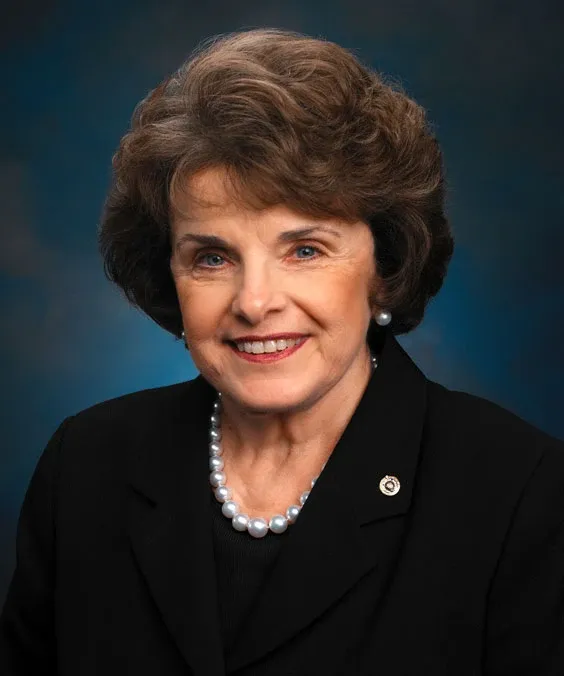
And I would ask the gentleman: Today, rather than the Federal Government, States and the private sector, driven by the increased costs of health care, are the engines of change and health care reform. In our State, as you know, California has changed its malpractice law, changed the way insurance can be sold, created voluntary purchasing cooperatives to let the little guy voluntarily achieve the same buying power as large corporations. Our Republican plans build on these reforms. We keep them, and we expand them. The Clinton plan, the plan that you are defending, would outlaw these kinds of changes taking place in the States and force them into a structure dictated by the non-elected national health board that would have the power, in addition to controlling that, of setting and enforcing a national budget for the entire U.S. health system.
Editor's note · Context
Discussing health care reform and contrasting Republican plans with the Clinton plan.
Share
More from William M. Thomas
These reforms may not make headlines, but they are the most significant legislative changes in the operation of the FEC we have seen in 20 years.
And in addition to that, because one of the things we have tried to do is to take a look at what States and companies are doing in the private sector to get some ideas about whether or not it works, if you take a look at the employer…
It is geography. But I also pointed out in the letter and to the folks on the committee that the amendment did not block in any way the application of the Endangered Species Act or other laws. I just wanted to keep the option open for…
that is the dialog we have had all along. The fact is they wrote the bill, it was in it and they were not going to let it come out all along no matter what. It was the question of losing 1 square mile, not necessarily where it was, it was…