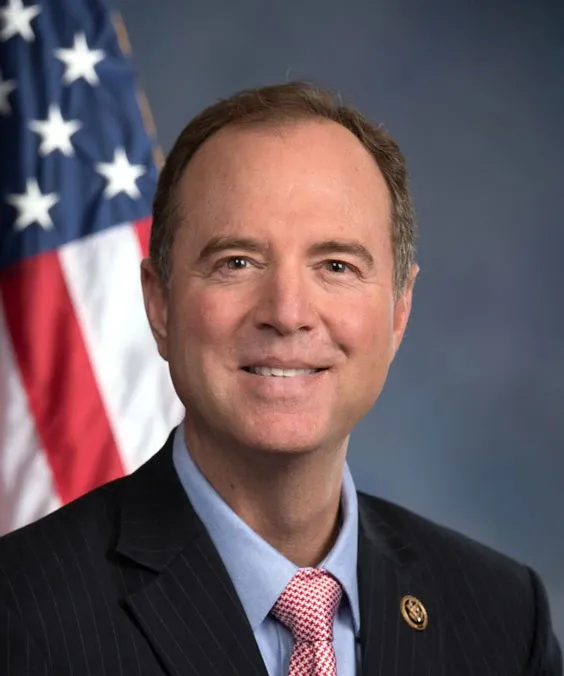
Scott Peters
The Public Record
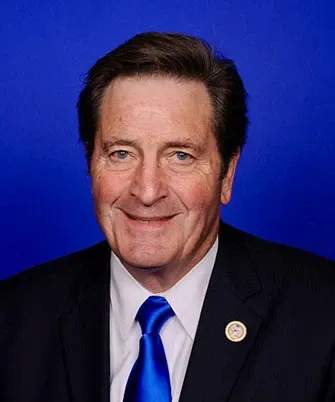
Scott Peters is a member of the United States House of Representatives, representing California's 52nd congressional district since January 3, 2013. A member of the Democratic Party, Peters has focused on issues such as healthcare, environmental protection, and economic development during his time in Congress. He has been an advocate for policies aimed at addressing climate change and improving access to affordable healthcare for his constituents. Peters previously served on the San Diego City Council, where he gained experience in local governance and community issues.
May 9, 2023
The Save Our Sequoias Act is a comprehensive, bipartisan bill that will save an iconic species from extinction.
May 9, 2023
To address the rise of catastrophic megafire, we have to bring healthy, low-intensity fire back into western landscapes.
May 9, 2023
I think that's really important to have the big picture because sometimes the regulations intended for something like a power plant are just going to apply the same way to some other setting.
May 9, 2023
Thank you so much for your leadership on the water pollution challenges at the U.S./Mexico border in San Diego.
Apr 17, 2023
This bill will provide the City of San Diego with regulatory certainty as it continues to make significant progress, as well as major investments, in enhancing its water and wastewater systems.
Apr 17, 2023
Thank you very much for your time and attention to my request. I look forward to introducing legislation with these goals in mind soon.
Apr 17, 2023
I introduced H.R. 1720, the Ocean Pollution Reduction Act II, with the support of all members of the San Diego delegation.
Apr 17, 2023
Thank you for hosting 'Member Day' for your colleagues like me who have important priorities in front of the Transportation and Infrastructure Committee.
Mar 28, 2023
I think we recognize Social Security has been the most important anti-poverty program.
Mar 22, 2023
Thank you, Chairman Tiffany, Ranking Member Neguse, and my esteemed colleagues on the Subcommittee for your time and consideration.
Mar 22, 2023
This change will trigger the U.S. Sentencing Commission to revisit its guidelines for these crimes, and ensure that we treat the use of illegal pesticides, particularly on public lands, with the severity it deserves.
Mar 22, 2023
The TOXIC Act will help us restore the long-term health of our ecosystems, restrict the cross-border flow of toxic contaminants, protect public health and consumers, and support regulated cannabis businesses that comply with the law.
Mar 22, 2023
I am glad that after nearly 20 years of debate in Congress on trespass cultivation, we are finally moving toward a long-term solution.
Mar 22, 2023
I thank the Chair for including the TOXIC Act in today's hearing, as well as Mr. LaMalfa for partnering with me to introduce that bill.
Mar 22, 2023
Thank you very much, Mr. Chairman, and thank the Committee for allowing me a chance to address you about the TOXIC Act.
Mar 22, 2023
The draconian approach we saw from the RSC... is not going to be acceptable.
Mar 22, 2023
I am so proud of one particular accomplishment last year, which was a bipartisan bill to improve the Nation's infrastructure.
Feb 6, 2023
I also don't pretend that oil and gas is going away tomorrow. It is going to be around for a while.
Feb 6, 2023
I agree. And on this too I would reiterate my willingness to work in a bipartisan way.
Feb 6, 2023
I spoke about the need to reduce excessive process requirements necessary to build clean energy projects and reform environmental laws from the 1970s to meet the challenges of today.
Politicians like Scott Peters