Oct 27, 2015
So, my suggestion, and the solution, would be--let's codify the criteria, make the changes from the old, broken system that we dislike to begin with.
The Public Record
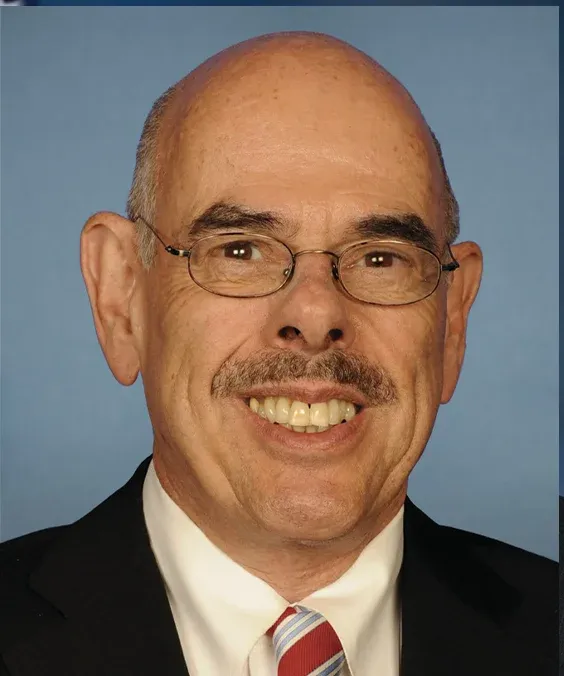
Raul Ruiz is an American politician and physician currently serving as the U.S. Representative for California's 36th congressional district, a position he has held since January 3, 2013. A member of the Democratic Party, Ruiz has focused on issues such as healthcare, education, and environmental protection during his time in office. He has been an advocate for expanding access to healthcare and addressing the needs of his constituents in the Coachella Valley region.
So, my suggestion, and the solution, would be--let's codify the criteria, make the changes from the old, broken system that we dislike to begin with.
This bill does not add transparency, does not add consistency, does not add scientific-based, does not make it less political than what we already have.
This bill does little to improve transparency or consistency in the Federal recognition process.
I appreciate your deep commitment to upholding the integrity of the government-to-government relationships between the United States and federally-recognized tribes, one that we share.
Eliminating the process and putting it in the hands of a hyper-partisan, dysfunctional Congress is counter-intuitive to the goals of transparency, consistency, and integrity.
In essence, the bill will disempower legitimate tribal groups and empower politicians, specifically the Chairman of the Natural Resources Committee and the Speaker of the House.
It would take away the option for tribes to rightfully petition the government for Federal recognition in a more open, objective, scientific, evidence-based and transparent process.
This bill will weaken tribal self-determination and strengthen politicians' self-interest.
This bill would put the power to recognize tribes in the hands of the Chairman of this Committee and the Speaker of the House.
It is U.S. Code 25, U.S. Code 2 and 9, and 43 U.S. Code 1457 that granted the Assistant Secretary of Indian Affairs the authority to 'have management of all Indian affairs, and all matters arising out of Indian relations.'
I am actually very disappointed in Congressman LaMalfa, who would assume that Congress does not have hyper-partisan, dysfunction, inability during these times.
H.R. 3764 is a thinly veiled attempt to upend the legally-supported ability for the Secretary of the Interior to federally recognize Indian tribes.
If this bill passes the way it is written, those tribes may very well have to litigate whether they are legitimate.
The bill includes that very alarming provision that seems to call into question the lawful Federal recognition status for some tribes.
H.R. 3764 will take away the Secretary of the Interior's authority to acknowledge tribes, and places it solely in the hands of Congress.
I urge and advocate for tribal leaders to share their views on H.R. 3764 in this committee at a later date.
Veterans being deprived of healthcare they have earned, whether due to unforeseen increases in cost or demand, budgetary mismanagement at the VA, congressional dysfunction, or any other problem outside the veteran's control is completely…
When brave young men and women volunteer to serve in our Armed Forces, they swear to support and defend the Constitution of the United States against all enemies, foreign and domestic.
This is a clear example, as Representative Paul Cook said, of two neighboring districts from different parties coming together for the benefit of economic development, for the betterment of our tribes, and for the betterment of our…
This legislation will give survivors their benefits quicker and reduce the risk of financial harm to grieving family.
Mourning family members have enough to deal with upon the death of cherished veterans and we should no longer make navigating the VA bureaucracy part of that coping process.
This simple, commonsense legislation will provide VA the statutory authority to expedite payment of certain survivor benefits to eligible family members upon the death of a veteran.
Politicians like Raul Ruiz