Sep 18, 2013
Thank you, Mr. Chairman. I would like to thank Chairman Hensarling for holding this hearing, which is the first in a series focused on the reauthorization of the Terrorism Risk Insurance Act, known as TRIA.
The Public Record
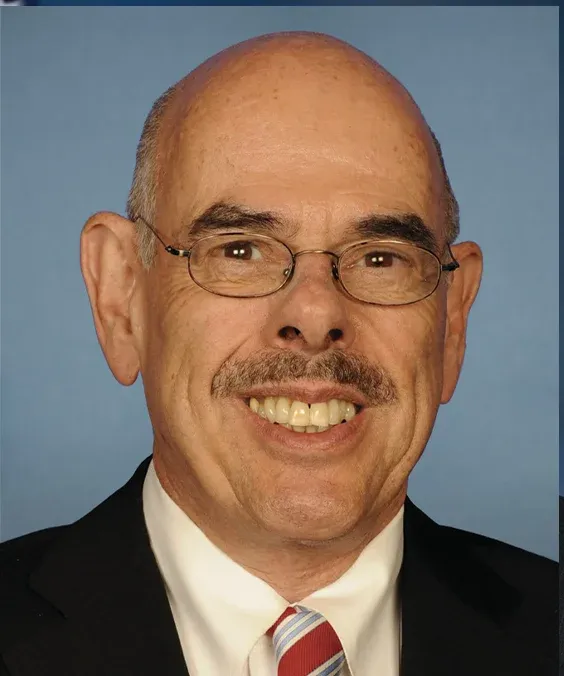
Maxine Moore Waters is an American politician serving as the U.S. Representative for California's 43rd congressional district since 2013. A member of the Democratic Party, she previously represented California's 35th congressional district from 1991 to 2013. Waters is known for her outspoken views on various issues, including economic justice, civil rights, and government accountability. Throughout her career, she has been a strong advocate for policies aimed at addressing systemic inequalities and has played a significant role in discussions surrounding healthcare and financial reform.
Thank you, Mr. Chairman. I would like to thank Chairman Hensarling for holding this hearing, which is the first in a series focused on the reauthorization of the Terrorism Risk Insurance Act, known as TRIA.
I was hoping I would have a little bit more time because I think you have been so rudely interrupted.
A lot of my friends on the opposite side of the aisle talk about wanting to help community banks, and I have been trying desperately to reach an agreement so that we could do more.
I also would like to tell you that if you had not been blocked from coming to this committee, we would not have had to rely on other people.
Congratulations again on your confirmation. I am so pleased that you are here today.
We have been doing that all during our break, and we are very engaged with them to find out how we can perhaps get them out from under the yoke of regulations that should not apply to them.
This month, we must observe the 5-year anniversary of the Lehman bankruptcy rooted in the risky and irresponsible lending and financial practices.
The proposal would be bad for renters at a time when vacancy rates are at an all-time low.
The proposal would be bad for consumers, repealing the predatory lending provisions in the Wall Street Reform Act.
The proposal would be bad for community banks and credit unions, with the new utility presenting them with tremendous challenges.
The proposal would be bad for investors, expecting them to accept all the credit risks on U.S. mortgages.
The proposal would be bad for America's middle-class, ending the affordable 30-year fixed-rate mortgage.
I am deeply disappointed in the radical and unworkable discussion draft that is before us today as well as the lack of interest in making this a bipartisan effort.
At some point, it may be appropriate to consider whether oversight has become a disguise for harassment.
Thank you very much. When you raised the question about why didn't we offer an amendment and the Senate can offer an amendment, I have drawn a conclusion. Why are you trying to get credit for putting this in the bill with the oil companies?
Just as you have come to some conclusion that maybe we are opposing this bill because we're opposed to offshore drilling, which is not true----
I would like to, if I can, engage you in a little colloquy here. What reason would the Members of Congress try and protect the oil companies from simply sharing how much they're paying to governments? What reason would they have for doing…
I would like to commend Director Cordray and his colleagues at the CFPB, in particular for their transparency and willingness to be forthcoming.
I must first begin by expressing my ongoing concern with the Majority's refusal to allow Director Cordray to appear before the Financial Services Committee.
The CFPB has proposed a final rule on these so-called Qualified Mortgages, and I believe that rule has struck a very fair balance for the industry.
Mortgage lenders were extending loans to people who couldn't afford to pay them back.
All of us on this committee know the 2008 financial crisis was a complicated event without a simple explanation.
In fact, we already see that sequestration is pushing renters out of Section 8 housing operated by the Los Angeles City Housing Authority.
Politicians like Maxine Waters