Jul 8, 2015
As much as I'm glad to see the Majority cares about the plight of poor people but I'm wondering whether or not they care about the health of poor people.
The Public Record
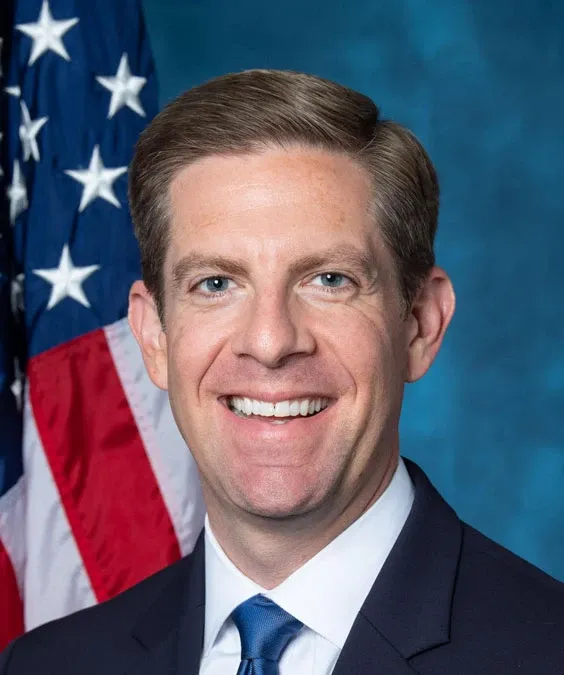
Mark Allan Takano is an American politician serving as the U.S. Representative for California's 41st congressional district since 2013. A member of the Democratic Party, he has focused on issues such as veterans' affairs, education, and labor rights during his tenure in Congress. Takano has been an advocate for improving the lives of servicemembers and has emphasized the importance of checks and balances in government. He has also been vocal about the need to support workers and address the challenges they face in a changing economy.
As much as I'm glad to see the Majority cares about the plight of poor people but I'm wondering whether or not they care about the health of poor people.
My constituents and I have seen firsthand how the EPA can improve air quality and advance public health.
I'm afraid my colleagues on the other side of the aisle are exploiting the public's frustration with the economic downturn to push an anti-environmental war on science.
Thank you, Mr. Chairman. And thank you for calling this hearing. I will be brief.
I, and I am sure others on the committee, are here to find out, are eligible veterans accessing the program.
I appreciate the witnesses being here this morning to help us answer these questions.
If they are pursuing their educational benefits under the GI Bill and they suddenly discover that they are having trouble succeeding in their course work, is the vet at that point able to go and seek eligibility under VR&E?
We are here today to assess the effectiveness of the Vocational Rehabilitation and Employment Program.
I join Vietnam Veterans of America, the Association of the U.S. Navy, American Veterans, and others in wholehearted support of the Senate amendment to H.R. 91, the Veterans I.D. Card Act of 2015. I ask my colleagues to join me in…
I am very concerned to hear about the lack of funds to continue to provide treatment for veterans with hepatitis C.
Good morning, everyone. And I get a sense from all of you that you have really the health of our children and young people.
Have you tried--you know, have you system wide tried things like salad bars, and position those salad bars first?
It will disproportionately benefit workers of color because, again, they tend to be over-represented in low-wage, low-skill jobs, unfortunately.
I want to make sure that we make good on that promise, that that promise is not hollow.
It is my own sense that it is a very important recruiting tool for our voluntary forces.
I particularly want to also congratulate my colleague, who is not here, Miss Rice, on seeing her very first piece of legislation pass the House, H.R. 1382, the BRAVE Act.
H.R. 2360, the Career-Ready Student Veterans Act, ensures that career education programs designed to prepare our student veterans for entry into the workforce are actually doing so.
He told me he knows many young veterans who were not lucky enough to receive such good advice and chose to use their GI Bill benefits to attend programs that they later learned were not properly accredited.
Thank you, Mr. Chairman. As we gather today, I just want to take a moment to thank you, Chairman Wenstrup, for conducting the Economic Opportunity Subcommittee in such a productive, positive, and bipartisan manner in this Congress.
Don't you also believe there is also a problem of politicization of the Department, that we, in effect, turn the entire department over to political patronage?
I think we all can agree that helping struggling mothers and hungry babies and young children is a good thing to do, and it is good public policy.
The fact that it is good public policy and that it is also helping us save dollars, in terms of adverse health consequences to malnutrition.
But there are five that are like mine, that are like Sherman Indian Institute.
Politicians like Mark Takano