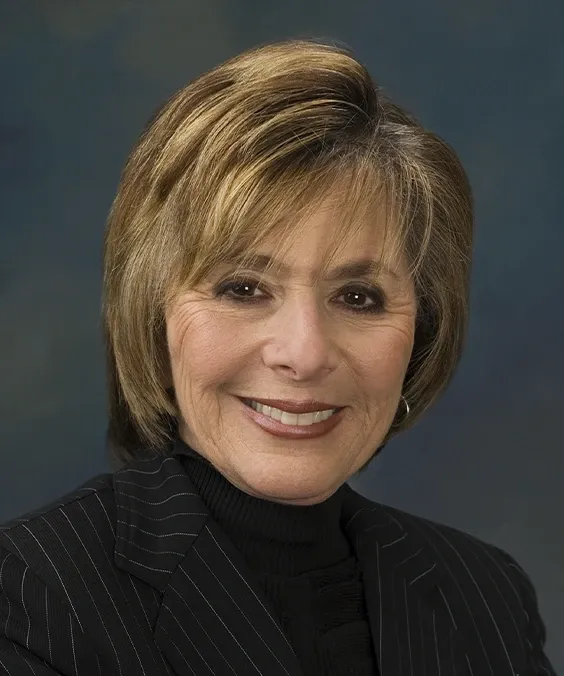
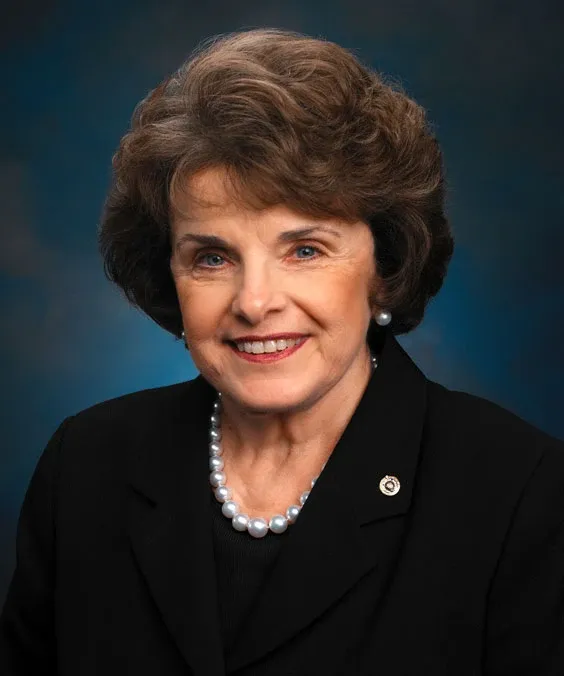
In 1996 when we passed welfare reform, after both of us voting against it because it did not provide a safety net for children, we warned the President, then Bill Clinton, and our colleagues, many of whom agreed with us and voted with us, that getting women off of welfare and into jobs would not be enough, that just could not be the end result of welfare reform, and we warned them that that was particularly important to look at if there was a downturn in our economy. We did not mean to be prophetic. I mean, we did not want to be seers. We just knew, and there it is. We were right, because this recent economic downturn has exposed the problem that we talked about in the 1996 welfare reform bill. The guiding principle of 1996 reform was that welfare was the enemy. But the enemy was not welfare, and we knew it. The enemy, and still is, is poverty.
Lynn C. Woolsey: “In 1996 when we passed welfare reform, after both of us voting against it because it did not provide a safety net for…”
Editor's note · Context
Discussing the implications of welfare reform and its impact on poverty during a House floor speech.
Share
More from Lynn C. Woolsey
Each year, 74 electrical workers covered under this rule are killed on the job. Another 444 are severely injured. OSHA is authorized to regulate a hazard when the risk of fatality is more than 1 in a 1,000. The fatality rate for workers…
I have an amendment at the desk. The Acting CHAIR. The Clerk will designate the amendment. The text of the amendment is as follows: Page 8, line 10, insert after the period the following: ``Such term does not include a rule that would…
Again, Mr. Speaker, nothing in the proposed rule would have applied to children working on their parents' family farm, and I reserve the balance of my time.
A few minutes from now, Members of the House and the Senate will head to the Capitol steps. We're going to the Capitol steps for a moment of remembrance to honor those who were killed in the attacks on September 11, 2001--September 11…