Jul 28, 2022
I would ask that you monitor this, provide the statistical analysis, and return to us any information that you might receive and develop on the impact of the Dobbs decision.
The Public Record
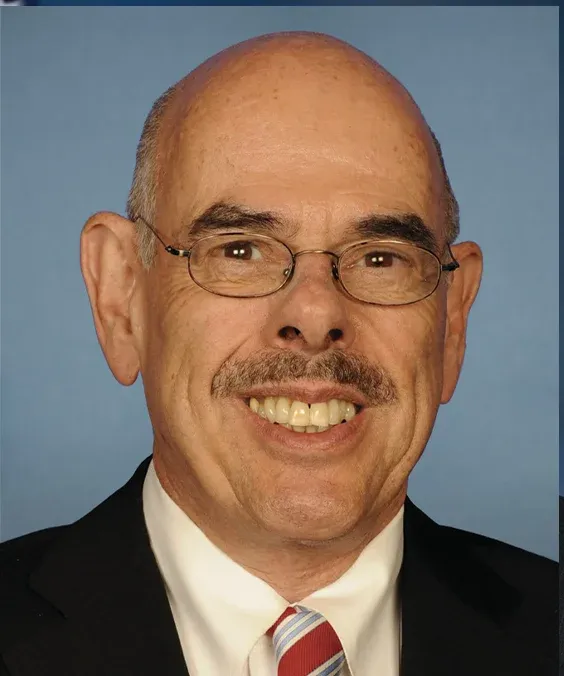
John Raymond Garamendi is an American politician serving as the U.S. Representative for California's 8th congressional district since January 3, 2013. A member of the Democratic Party, he has focused on issues such as healthcare, education, and environmental protection during his tenure in Congress. Garamendi has also been an advocate for veterans and military families, reflecting California's significant military presence.
I would ask that you monitor this, provide the statistical analysis, and return to us any information that you might receive and develop on the impact of the Dobbs decision.
I hope that continues. I am concerned that this issue of abortion may cause some women to rethink and to think that they should not be in the military.
I am deeply concerned about the long-term--meaning the near-term and long-term--effect that the Dobbs decision is going to have on the readiness of the military.
I am deeply concerned that federal regulators like the Coast Guard have not yet updated your regulations...
The contamination issues are widespread. Each of the services and multiple bases are contaminated, water supplies, and the like.
We have got to do a better job. That is part of retention. It is part of recruitment.
Good morning. I call this hearing to order, the Subcommittee on House Service--on House Armed Services Readiness Subcommittee.
Nobody has really said that we need 400. It has never been said we need 400. Maybe we need 399. Maybe we need even less than that. The fact of the matter is that we have adequate deterrence without any of these particularly very dangerous…
The choices made during the acquisitions process when procuring new platforms affect the decades of sustainment that follows.
The choices made during the acquisitions process when procuring new platforms affect the decades of sustainment that follows.
I would recommend to you that we could meet the needs of logistics, maybe that second half of the half full cup, by utilizing the Jones Act ships that are presently available.
We have five John Lewis-class oilers in this budget fundamental to what we want to do with both the Navy and the Marine Corps.
I'm coming at you in a very angry mood. You gave us an engine, and it doesn't work.
They're going to have to go--maybe the engine is not working, which is a Pratt & Whitney problem.
It has not been solved. It has not been--the attention necessary to sustain this $1.7 trillion platform has not occurred, plain and simple.
I will not tolerate any longer what has been--we're going to get on with it. We're going to do it.
The problem of the F-35 is a shared problem. It's a problem of the contractor, Lockheed Martin, and others.
I want to see what it is you are going to accomplish with regard to ALIS-ODIN in the next 365 days.
We can build more and more ships, but if we cannot keep them at sea because they cannot be maintained in an orderly and quick way, it doesn't do much for us.
Well, we will be working on that, a National Maritime Security Program, in the coming months ahead of us.
Building on that, and on what Mr. Courtney was raising with regard to sealift, it is clear that we are in a position now to not be able to support our efforts in the Western Pacific, should it be necessary.
They were virtually destroyed in the previous 4 years of the previous administration. Very rapidly rebuilt.
Politicians like John Garamendi