Apr 19, 2021
I sympathize with Mr. McKinley. He emphasizes the consequences of a transition, but what about the consequences of continuing carbon emissions?
The Public Record
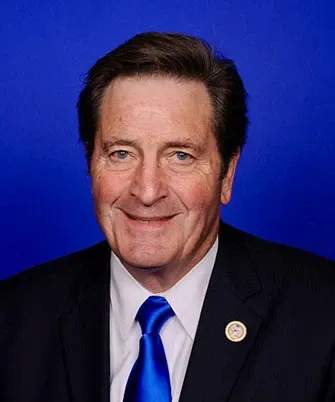
Jerry McNerney is an American politician and a member of the Democratic Party, serving as the U.S. Representative for California's 9th congressional district since 2007. He has focused on energy and environmental issues throughout his tenure, advocating for sustainable practices and policies to combat climate change. McNerney has also been involved in various initiatives aimed at improving healthcare and supporting education in his district.
I sympathize with Mr. McKinley. He emphasizes the consequences of a transition, but what about the consequences of continuing carbon emissions?
California's energy challenges are largely due to wildfires and other climate-related disasters which are caused by excessive carbon emissions.
Thank you. Well, my time has expired. I'm embarrassed that I didn't get to ask a Nobel Prize winner a question in the Science Committee, but I'll submit something for the record. Thank you. I yield back.
I appreciate your forthrightness on that. But we all know this is happening.
Mr. Zuckerberg, yes or no: Do you acknowledge that there is disinformation being spread on your platform?
This process isn't happening quickly enough, and I am very concerned that you aren't motivated to speed things up
Thank you. Yes or no: Do you agree that your company has profited from the spread of disinformation?
Disinformation is a strong driver for engagement, and consequently you too often don't act even though we know you have the resources to do that.
Are you all aware that your platforms are behemoths, and that the Americans are demanding that we step in and rein in your platforms both in terms of how you handle our data and how platforms handle disinformation that causes real harm to…
But my Republican colleagues seem determined to falsely blame the outages on renewable resources, but the real cause is the new normal of massive wildfires every season.
This is the case for too many of my constituents. They either can't afford it or they don't have the digital literacy skills.
I introduced the Digital Equity Act with Representative Clarke, also included in LIFT, would be used to fund a wide range of digital equity projects.
I think that the balance of this hearing should be off finding common ground, and I think, after listening to our guests this morning who gave testimony, that is the most important part of what I've learned.
I think that the most important thing that I have heard today comes from our witnesses who have talked about necessarily throwing out the occurrences of things that have happened maybe on a once in every 100 year basis.
We clearly need to reduce carbon emissions and achieve zero--net zero emissions, we need to implement carbon removal technology as soon as possible.
The pandemic has been difficult on graduate students, postdocs and others, and it's--we've lost some critical talent there.
Thank you, Madam Chairwoman, for holding this hearing. It's very interesting and informative.
This is ludicrous because--and both States are similar: extreme weather related to climate change, together with underinvestment in our electric utility and infrastructure and resilience.
There is a clear tension between the urgency to transition to a low-carbon economy and the cost of carrying out that transition.
I think it is important that we pass strong Federal legislation like H.R. 675 to protect consumers against these practices.
Politicians like Jerry McNerney