Jun 29, 2021
I think this bill is necessary to ensure that we are thinking about the future supply chain and what to do about the robust marketplace for communication equipment.
The Public Record
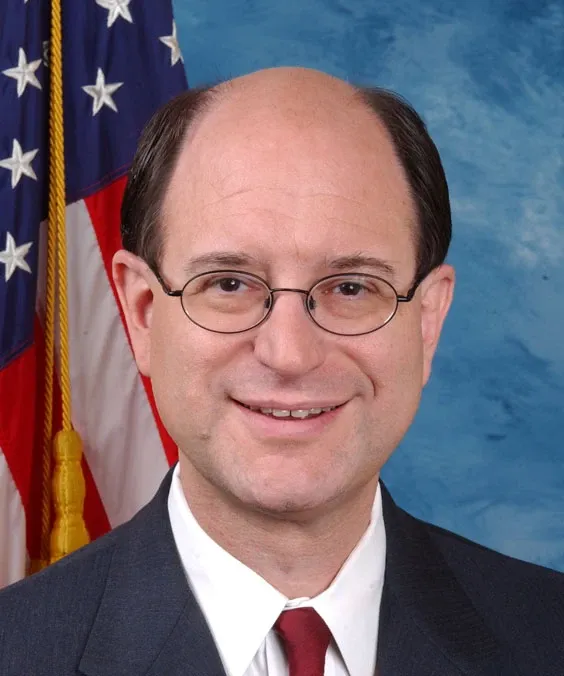
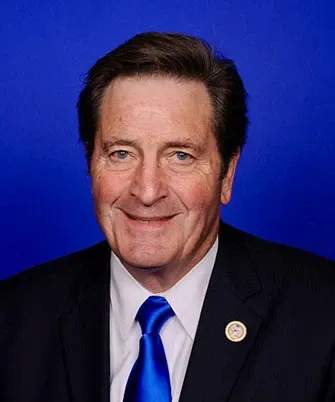
Jerry McNerney is an American politician and a member of the Democratic Party, serving as the U.S. Representative for California's 9th congressional district since 2007. He has focused on energy and environmental issues throughout his tenure, advocating for sustainable practices and policies to combat climate change. McNerney has also been involved in various initiatives aimed at improving healthcare and supporting education in his district.
I think this bill is necessary to ensure that we are thinking about the future supply chain and what to do about the robust marketplace for communication equipment.
Each bill does something different, but they all have a similar aim, which is to strengthen the Nation.
Addressing risks to our own supply chain will take more than just industry or just government to solve.
I want to make sure that our communities have some amount of Federal protection from what might happen.
I am pleased that the President's job plan and fiscal year 2022 budget request for the Department would establish robust programs to revitalize and strengthen our domestic manufacturing sector.
It's shameful at the national level that we waive sanctions on a Russian company in support of their gas lines
You have a tremendous opportunity to make a real difference in our Nation's future, and we are with you all the way.
The need to address growing cyber threats is something that I have been talking about for years.
I want to thank you and the Department of Energy for leading the whole-of-government approach in restoring operations of the Colonial Pipeline following the recent cyber attack.
The ransomware attacks at the Colonial Pipeline and the massive hack detected by SolarWinds are wake-up calls about the increasing cyber threats we now face.
I completely agree, and that is why I introduced the Digital Equity Act, which would create two Federal programs to address gaps in broadband adoption and digital literacy and skills.
My congressional district includes cities and communities that have been economically depressed.
That's why I've introduced the Digital Equity Act. I'm pleased that the bill was included in the LIFT Act and I hope that we will move quickly to pass the critical bill.
I look forward to working with Chairwoman Johnson, Ranking Member Lucas, and Chairwoman Stevens in moving the 'NSF for the Future Act' through the Committee in a bipartisan process.
The President is messaging this as the way to compete with China, but I would argue that we will not beat China by copying its strategy.
As we make these investments, we should also ensure we avoid duplicating the R&D activities of other Federal agencies.
We cannot allow the CCP to advance its authoritarianism on the backs of American taxpayer-funded research.
We must also secure taxpayer-funded research and technologies from adversaries, especially from the Chinese Communist Party (CCP).
This is important to my constituents. I want to make sure we get this legislation passed to protect my constituents as soon as we can.
The academic ideas incorporated in the majority's aggressive energy policies are neither equitable nor just for my constituents in southeast Indiana.
Politicians like Jerry McNerney